
Common Spiders
in the Bay Area
Most spiders in our area are harmless and even helpful, keeping other pests in check. A few deserve caution. Learn how to identify them and know when to act.
Common Bay Area Spiders
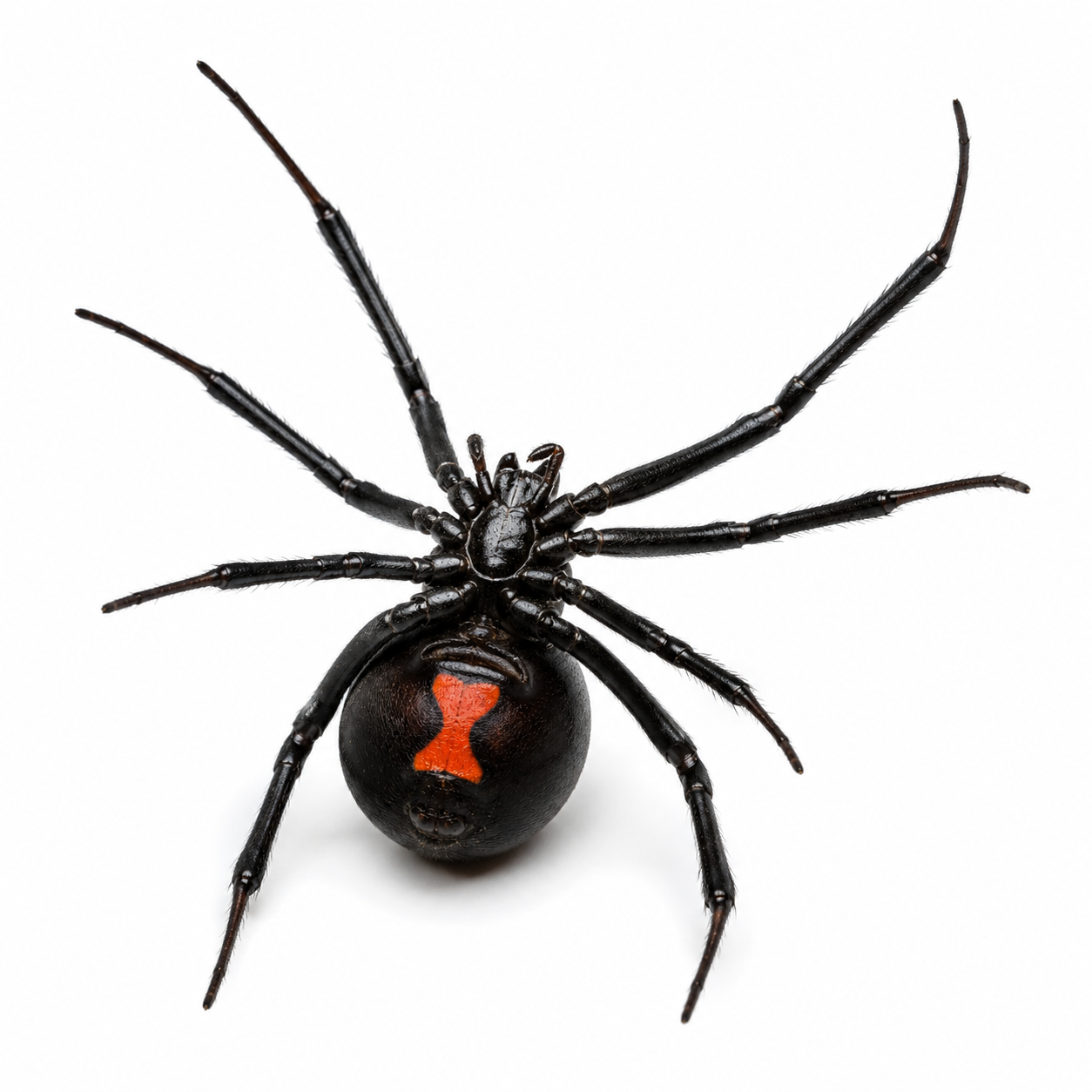
Western Black Widow
Mature females have a shiny black body with a red or orange hourglass marking underneath the abdomen. They build strong, irregular webs in dry, protected and relatively undisturbed areas such as garages, woodpiles, utility boxes and storage areas.
Learn more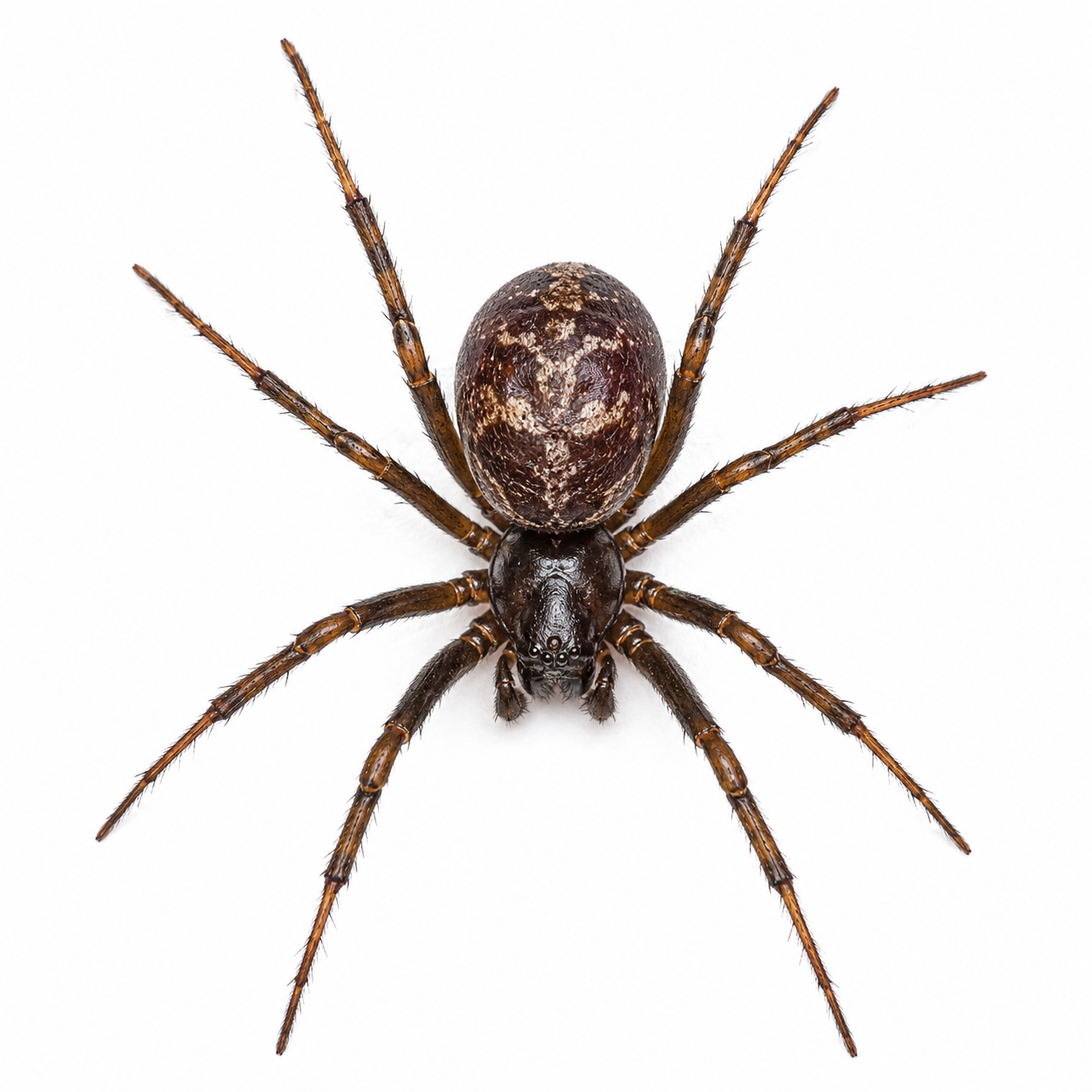
False Widow
False widows have a rounded, dark brown abdomen and are frequently mistaken for black widows. Unlike a mature black widow, they are usually chocolate brown and do not have a red hourglass. They are commonly encountered inside Pacific Coast homes.
Learn more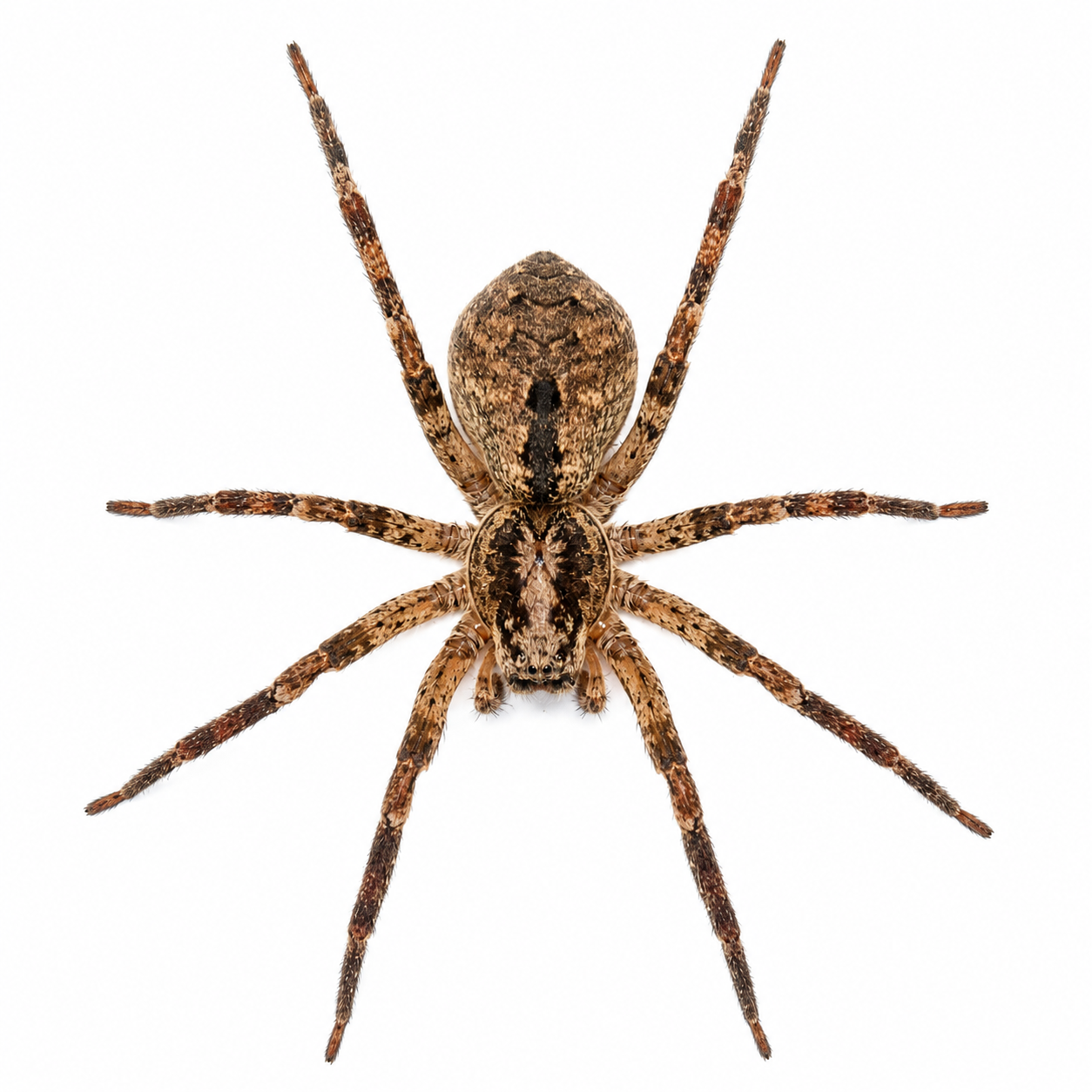
Zoropsis Spider
This large, mottled brown spider is often mistaken for a wolf spider—or even a brown recluse. Zoropsis spiders wander through homes rather than building webs to capture prey.
Learn more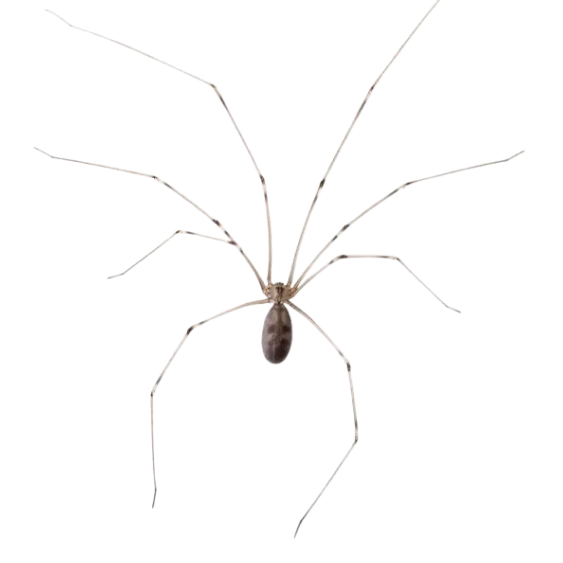
Cellar Spider
Cellar spiders have small bodies and extremely long, delicate legs. They usually hang upside down in loose, irregular webs around ceilings, garages, crawlspaces and other protected areas.
Learn more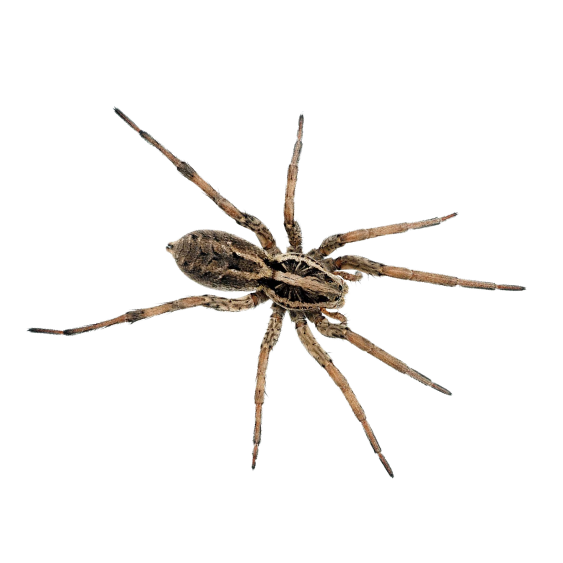
Wolf Spider
Wolf spiders are robust, fast-moving hunters commonly seen running across floors or the ground. They do not use capture webs, and females may be seen carrying an egg sac—or young spiders—on their bodies.
Learn more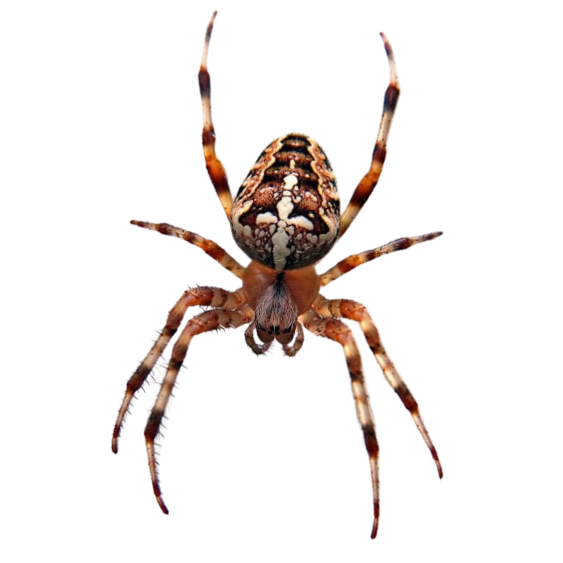
Orb-Weaver Spider
Orb weavers build the familiar wheel-shaped webs seen around gardens, landscaping, porches and exterior lights. They can be large or brightly colored but are beneficial predators of flying insects.
Learn more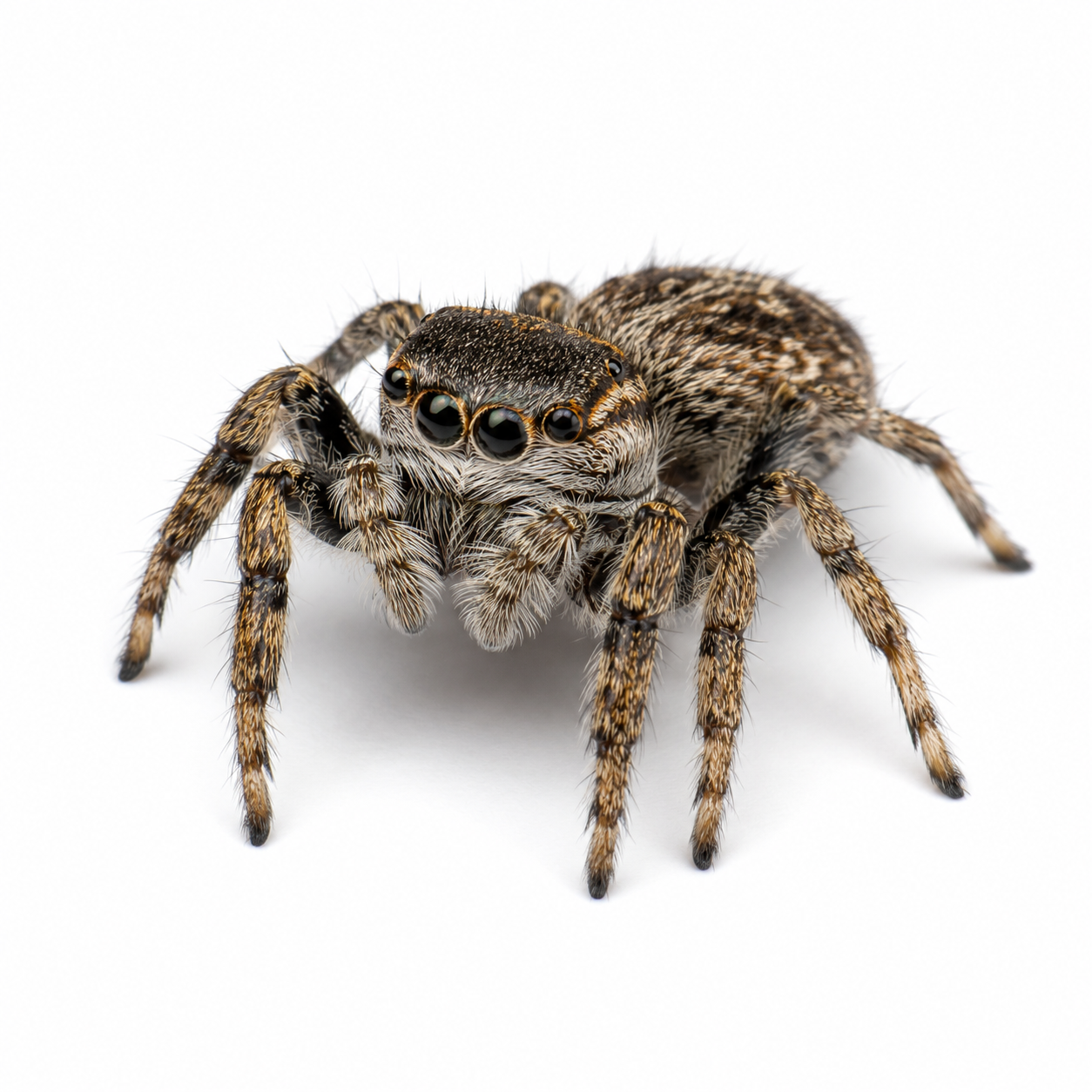
Jumping Spider
Compact, alert and sometimes brightly marked, jumping spiders have prominent front-facing eyes. They hunt during the day and stalk their prey instead of waiting in a capture web.
Learn more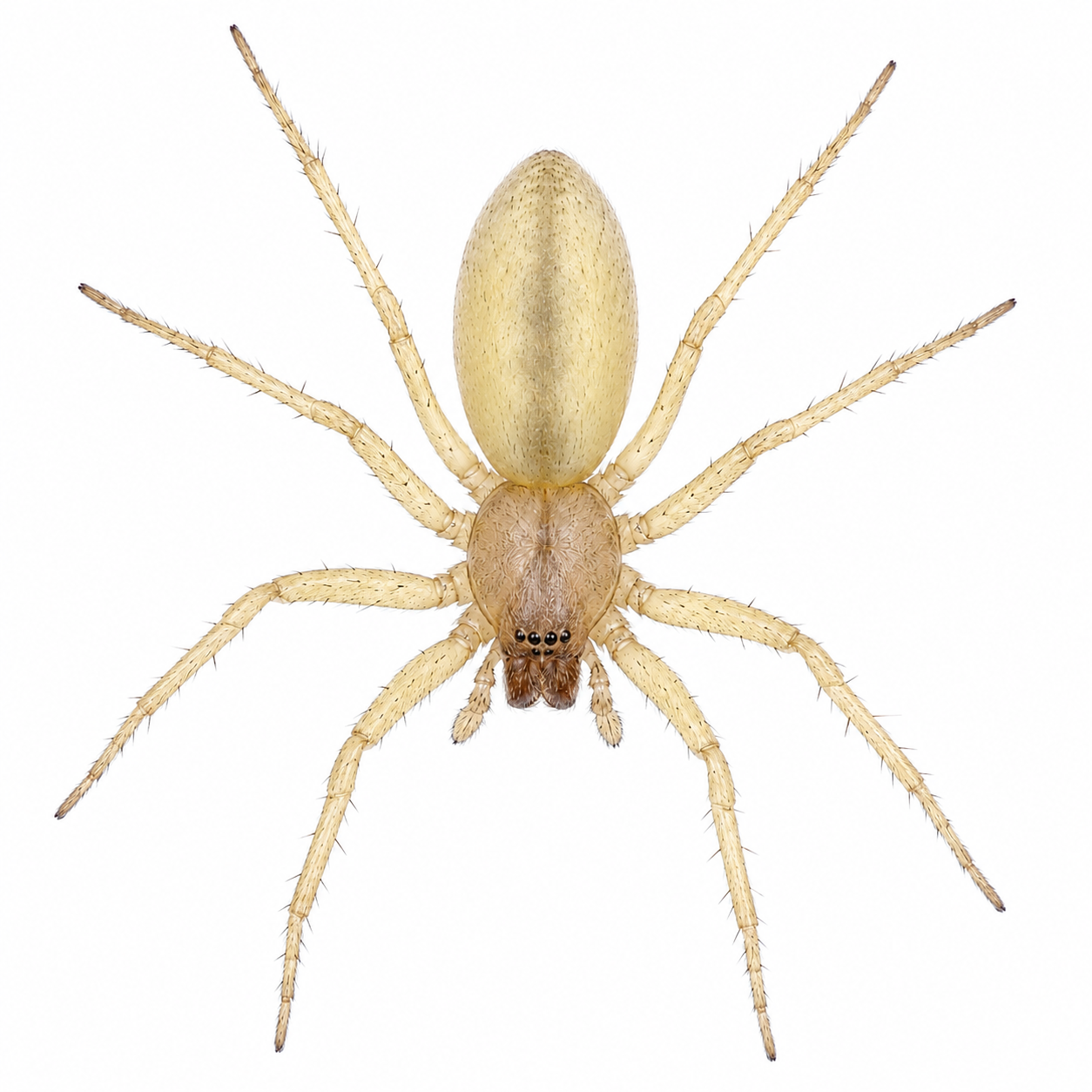
Yellow Sac Spider
Yellow sac spiders are usually pale yellow or tan and hide inside small silk retreats. They may be seen moving across walls and ceilings at night and can bite if trapped against the skin.
Learn moreIs It a Brown Recluse?
Probably not.
The brown recluse is not native to California and has not been confirmed in the wild in the Bay Area. Spiders here are almost always safer than they look.
If you're unsure, we're here to help you identify it
with confidence and peace of mind.
Why Spiders Gather Around Homes

Exterior Lights
Attract insects at night.

Landscaping
Dense plants offer shelter and food.

Door Gaps
Small openings invite spiders in.

Garage Storage
Cluttered spaces offer hiding spots.

Woodpiles
Wood attracts insects and creates shelter.

Eaves & Overhangs
Protected areas are ideal for webs.
Make Your Home Less Attractive to Spiders

Think You Know What Keeps Spiders Away?
Spider problems are surrounded by misinformation. Select each common myth to uncover what is really happening—and why spiders often keep coming back.
Tap a card to reveal the truth
Real Spider Control Goes Beyond the Spider You See
Amerimax targets the conditions that allow spider activity to rebuild—from webs and egg sacs to hiding areas and the insects spiders rely on for food.
We don’t just knock down the web. We work to interrupt the cycle behind it.
Schedule a Free Spider Inspection- Web and egg-sac removal up to 25 feet
- Treatment of spider hiding and nesting areas
- Protection around windows, doors, lights, and eaves
- Reduction of the insects attracting spiders
- Ongoing prevention to interrupt the cycle
A Better Way to Control Spider Activity
We identify the source, reduce hiding spots, and help keep spiders out—so you can enjoy your home with confidence.