(925) 856-4009Get a Quote
    Client Portal
    Amerimax Pest Management
    Residential Commercial
    Amerimax Library:Search 40+ Bay Area Pests
    Quick Categories:
    HomePest Library·Showing 84 results
    Bay Area Pest Protection Notice
    Need urgent pest removal for spiders, rodents, or active wasps?
    Amerimax offers 48-hour availability, free inspections, and re-services between visits.
    Schedule Free Inspection
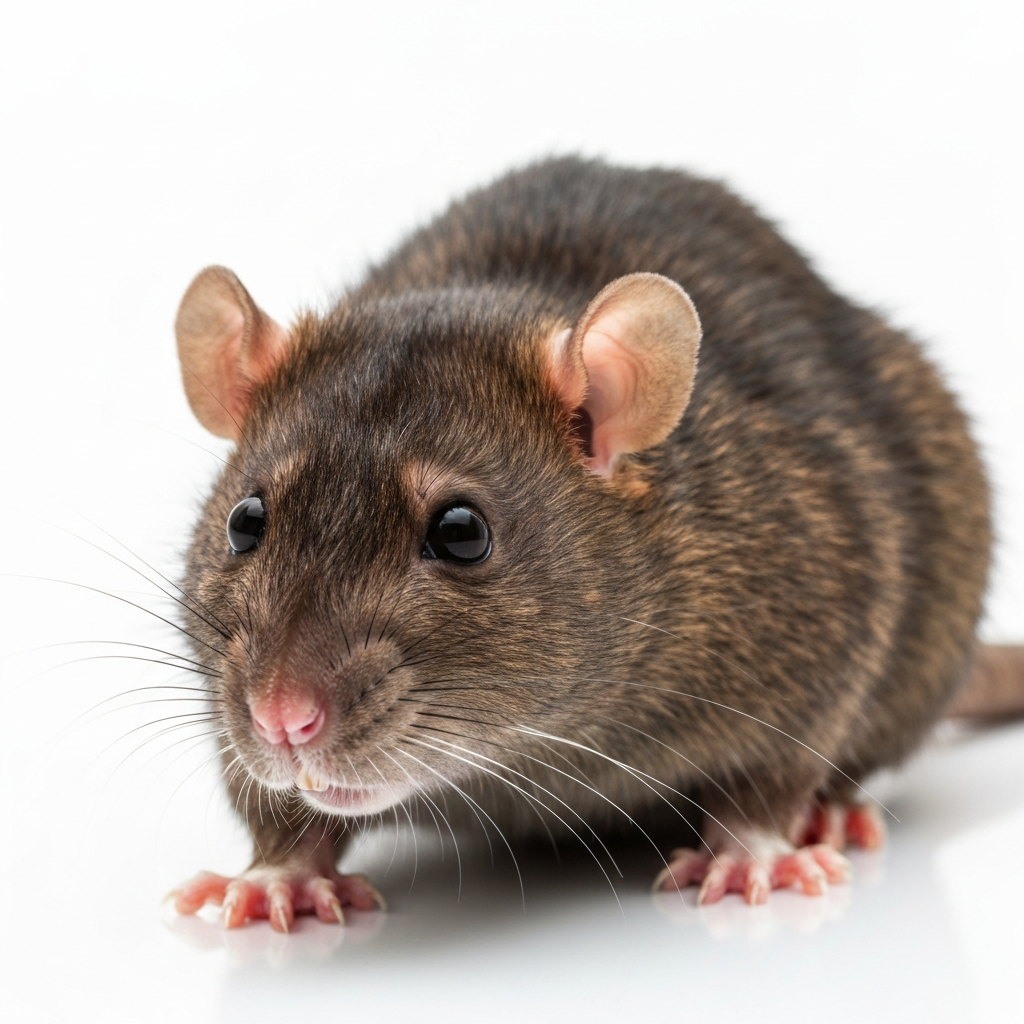
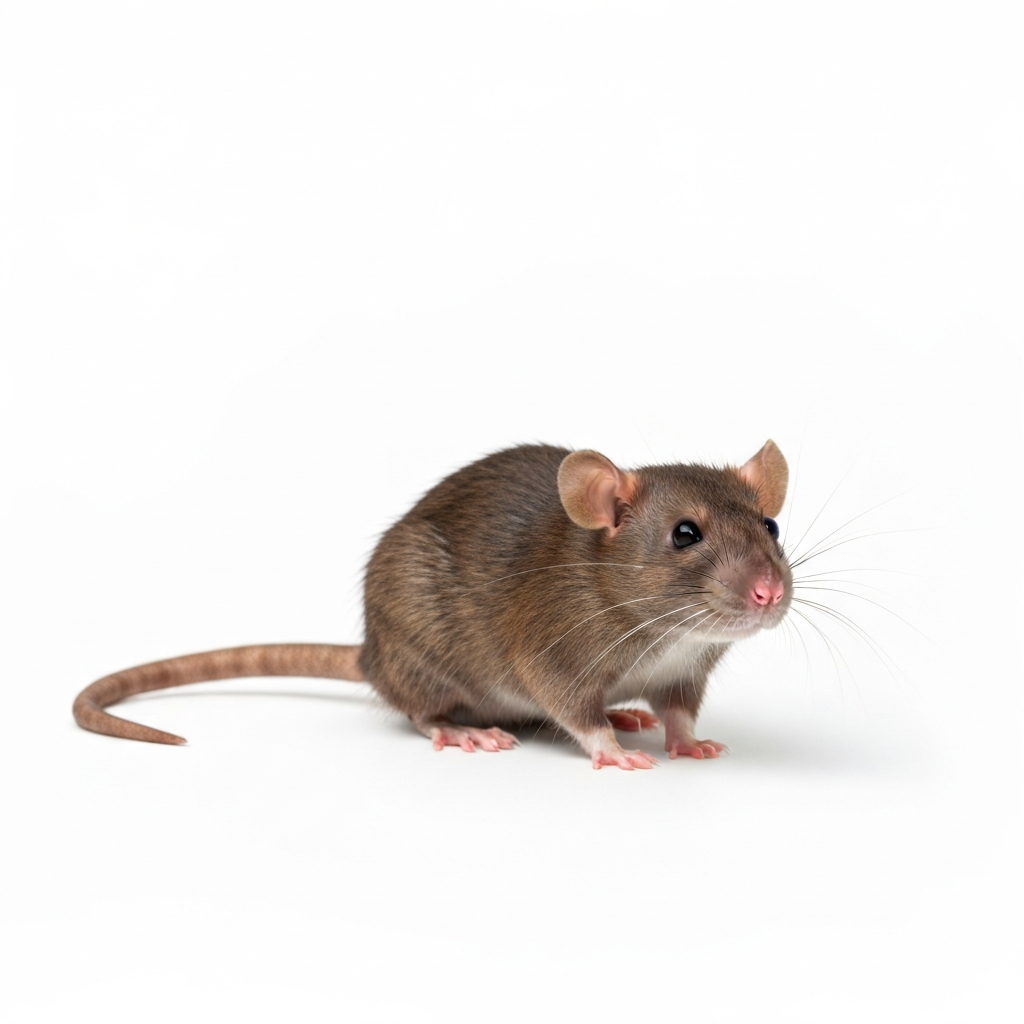
    Rats High RiskSpecialty

    Rattus

    Rats

    Rats are medium-sized rodents that are highly adaptable and intelligent. They are cautious of new objects (neophobic) and can cause extensive damage to property.

    Key Identifier: Larger than mice (body is 6-8 inches long)
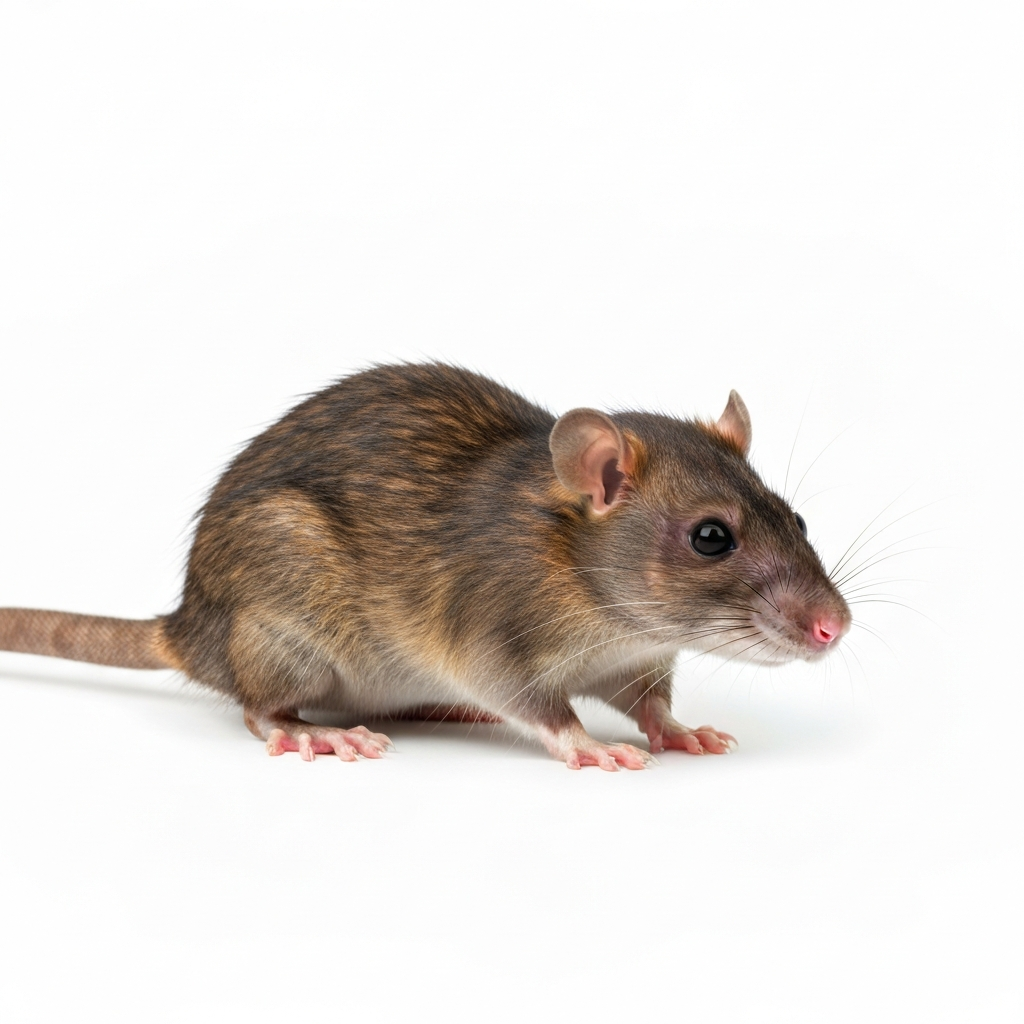
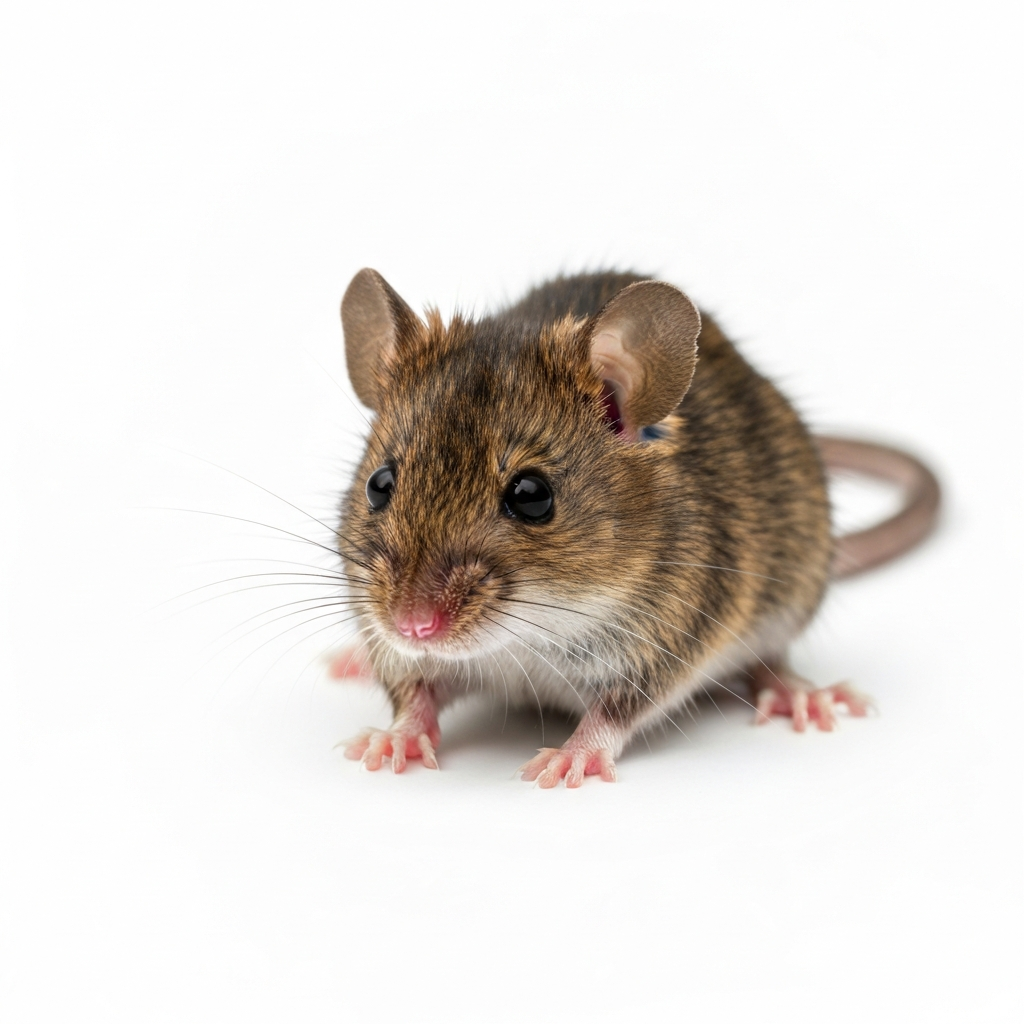
    Mice High RiskSpecialty

    Mus musculus

    Mice

    Mice are small rodents that frequently invade homes in search of food, water, and shelter. They reproduce rapidly and can cause significant damage.

    Key Identifier: Small size (2-4 inches long, plus tail)
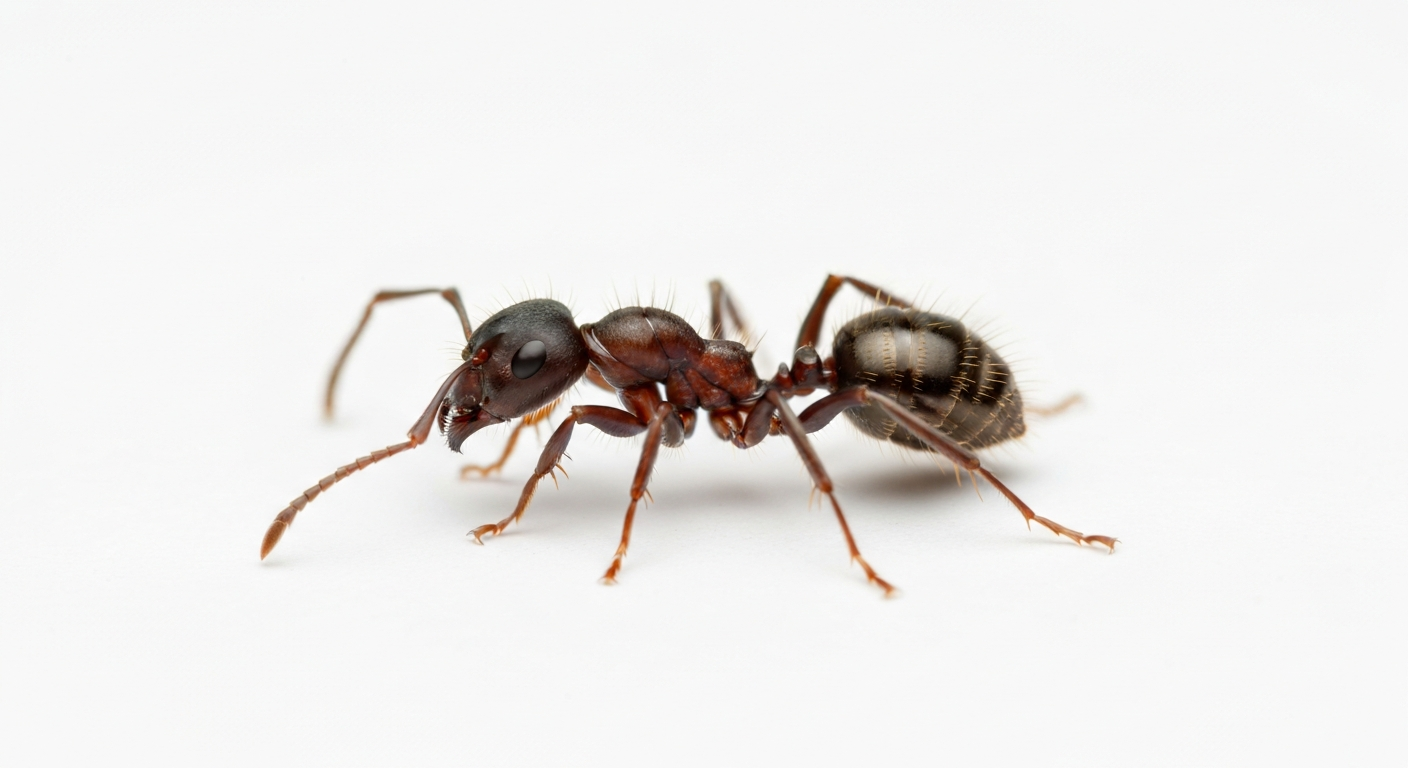
    AntsGPC Included

    Formicidae

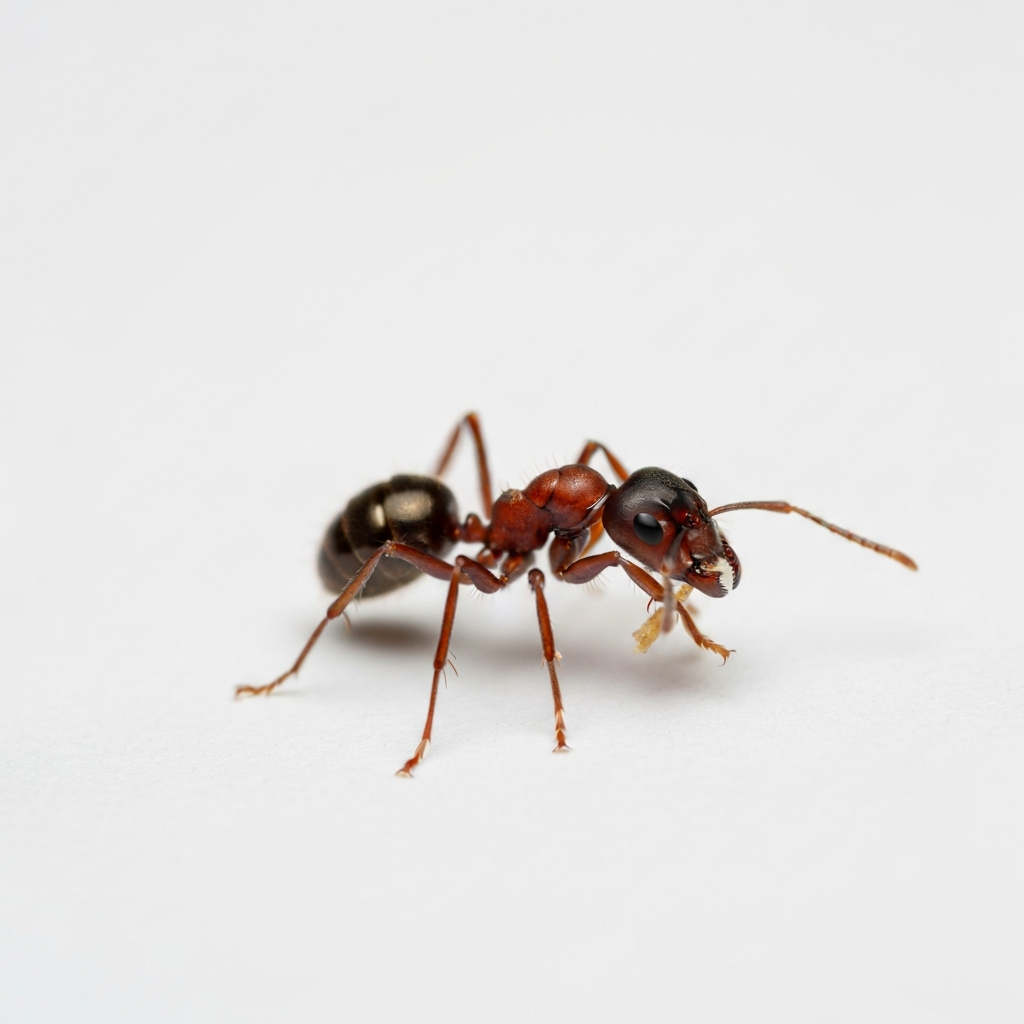
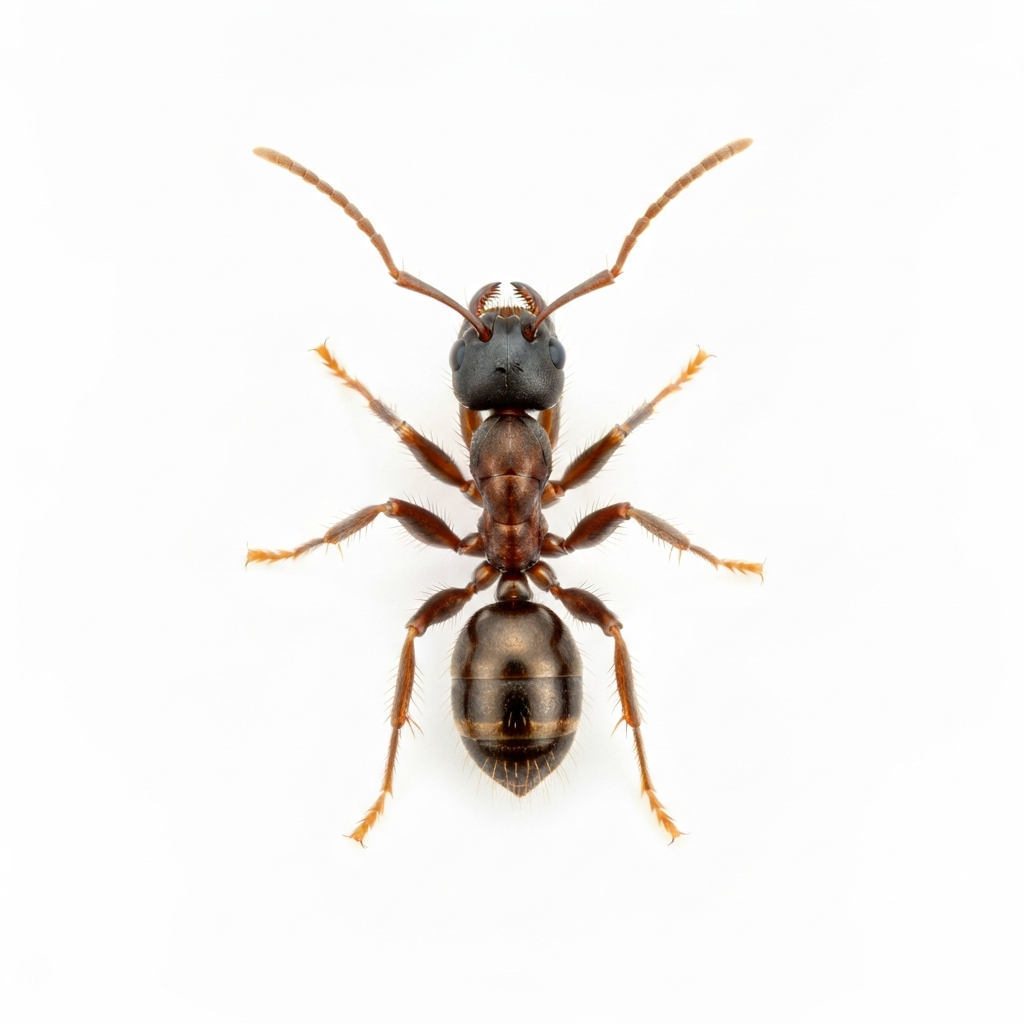
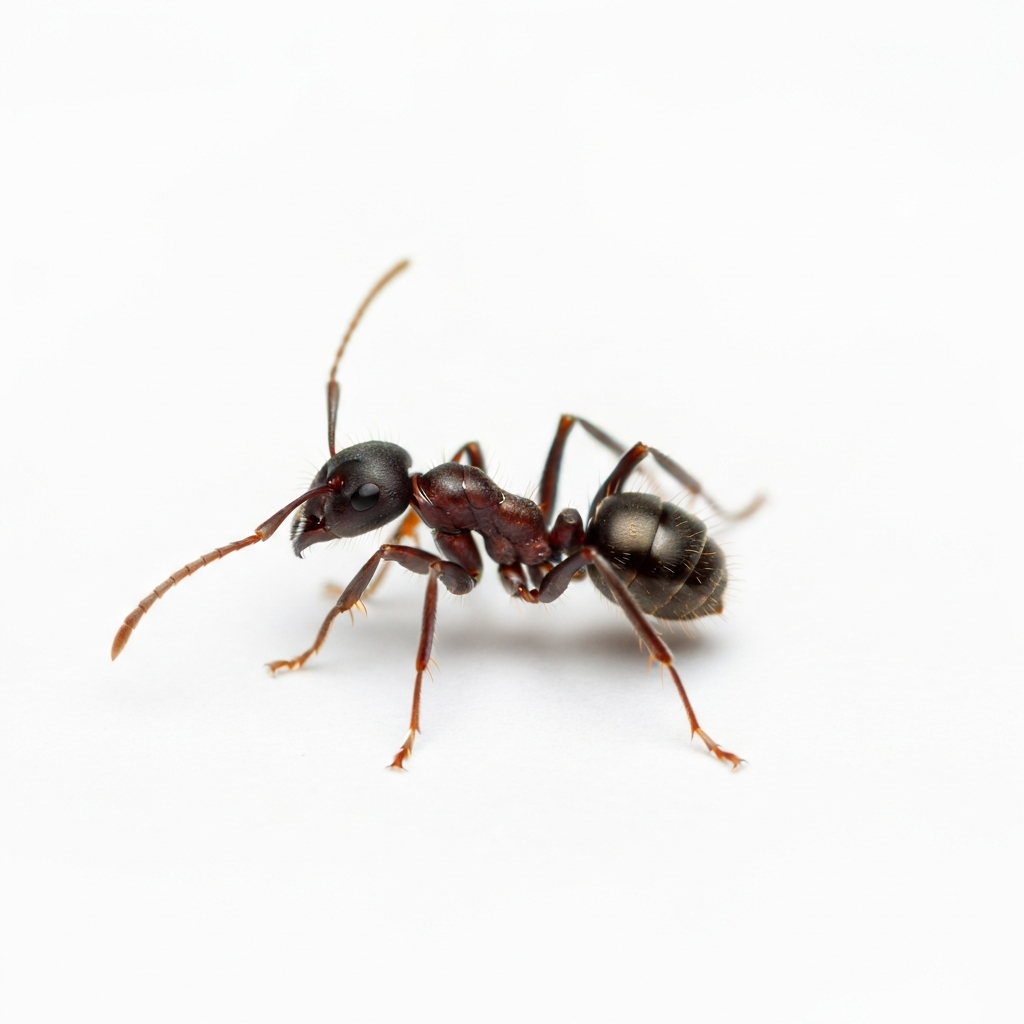
    Ants

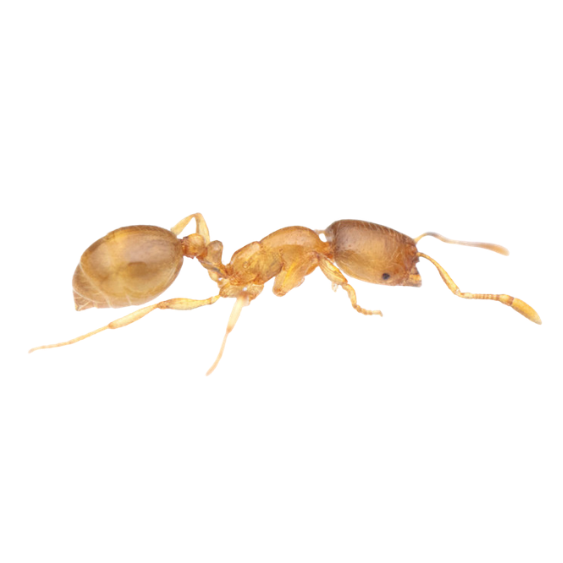
    Ants are social insects that live in large colonies. They frequently enter homes in search of food and water, becoming a major nuisance.

    Key Identifier: Six legs and a segmented body
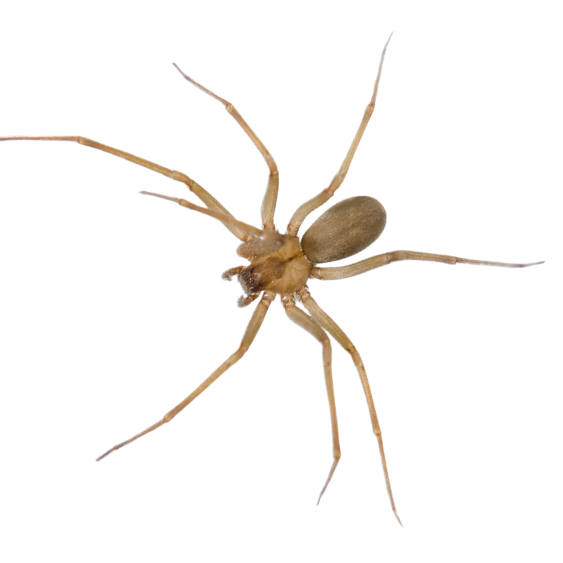
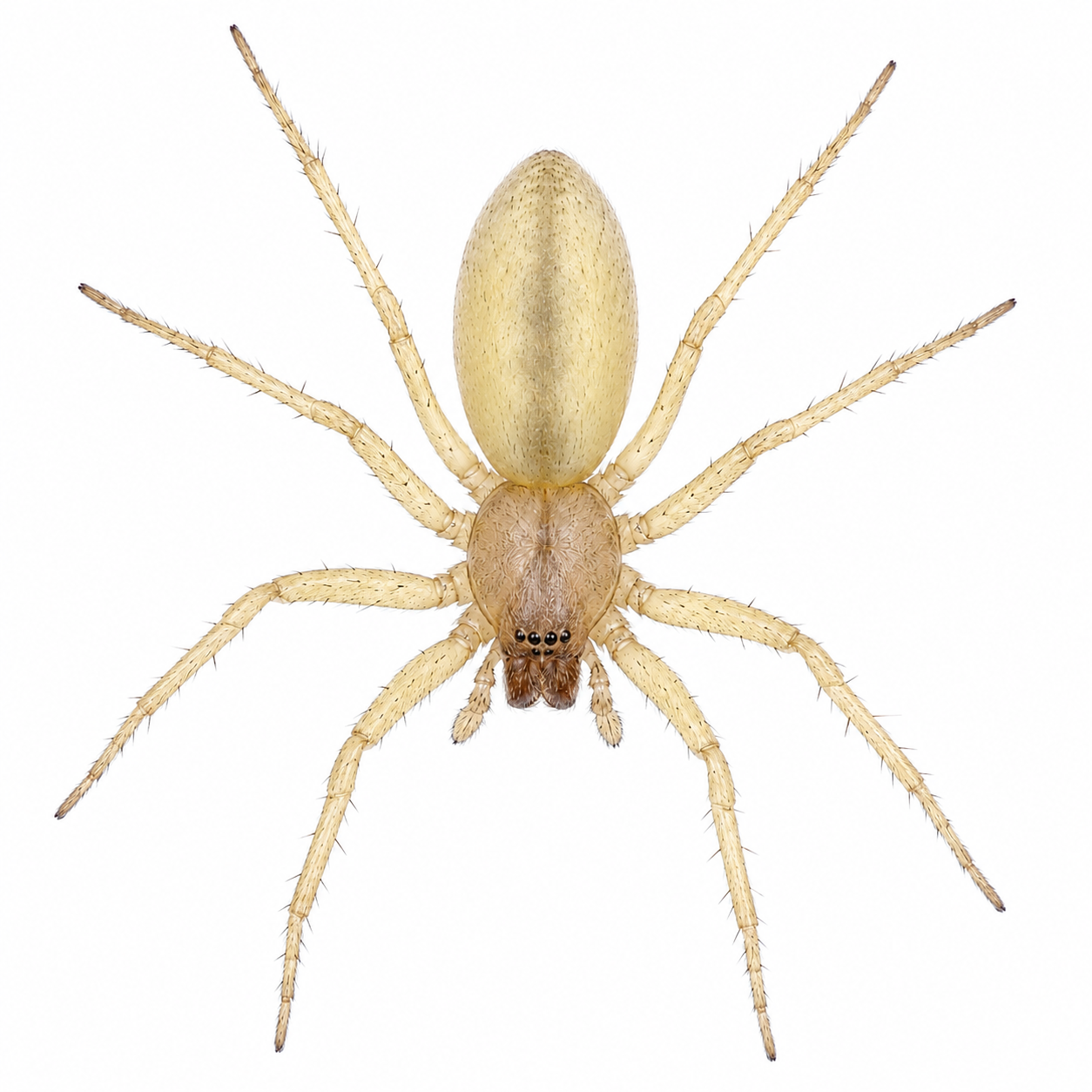
    SpidersGPC Included

    Araneae

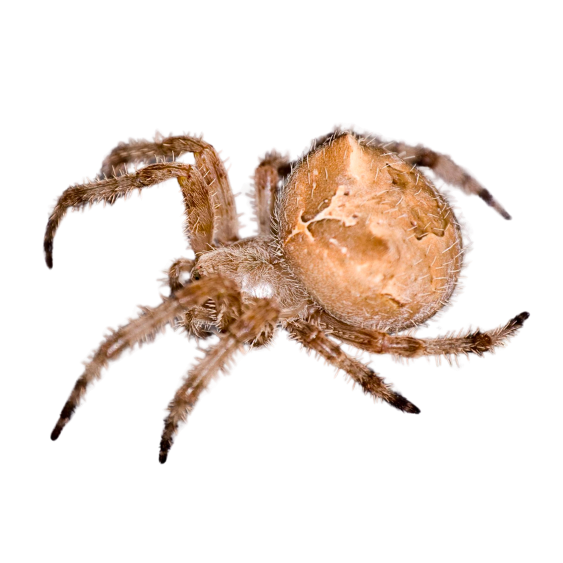
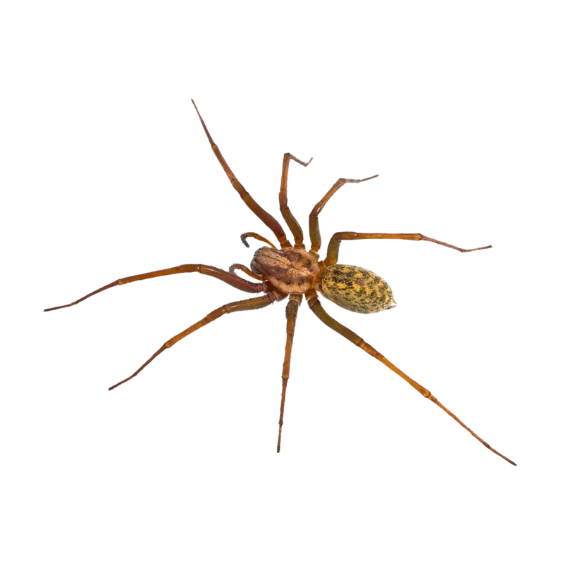
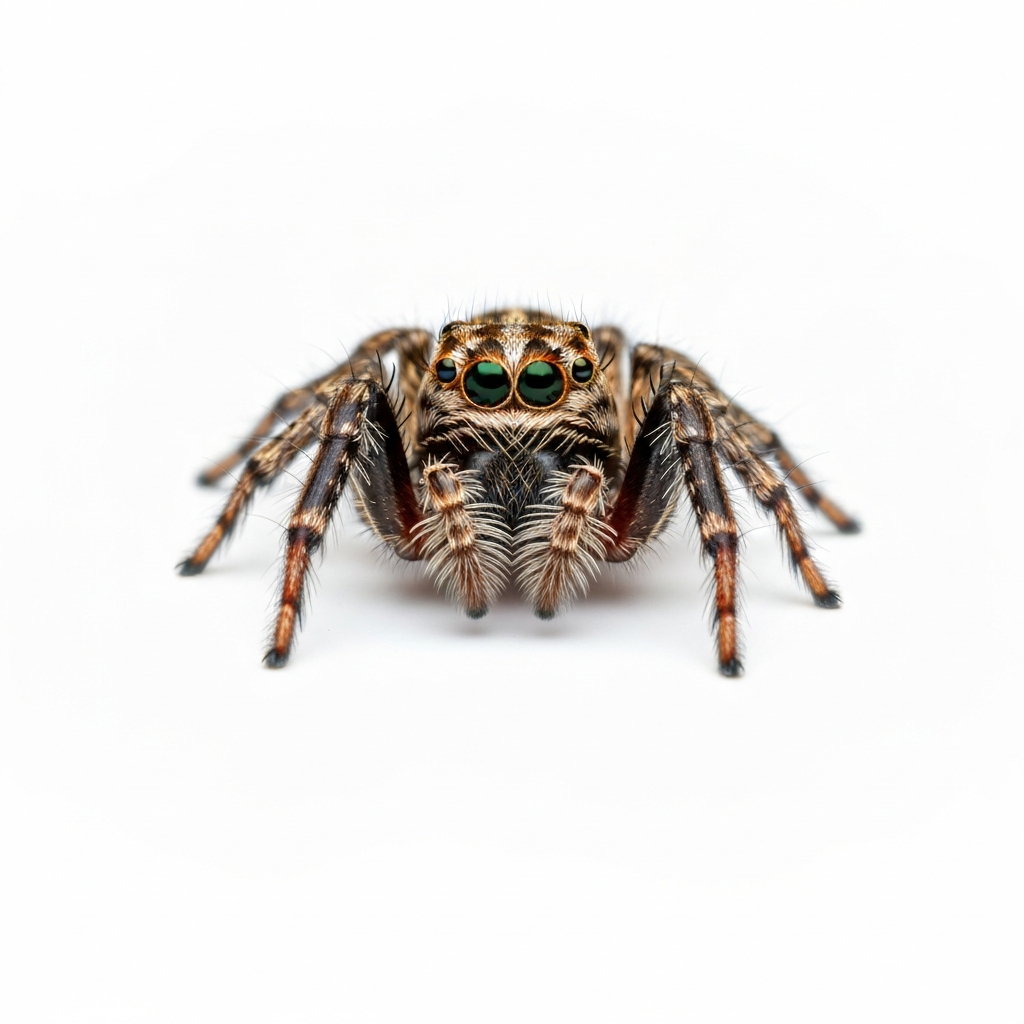
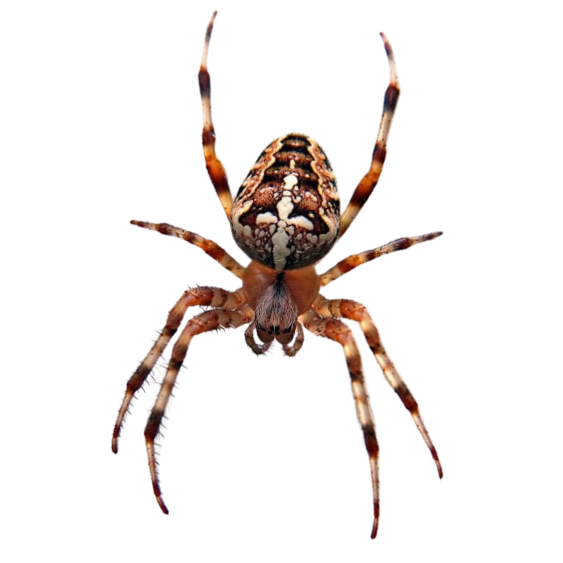
    Spiders

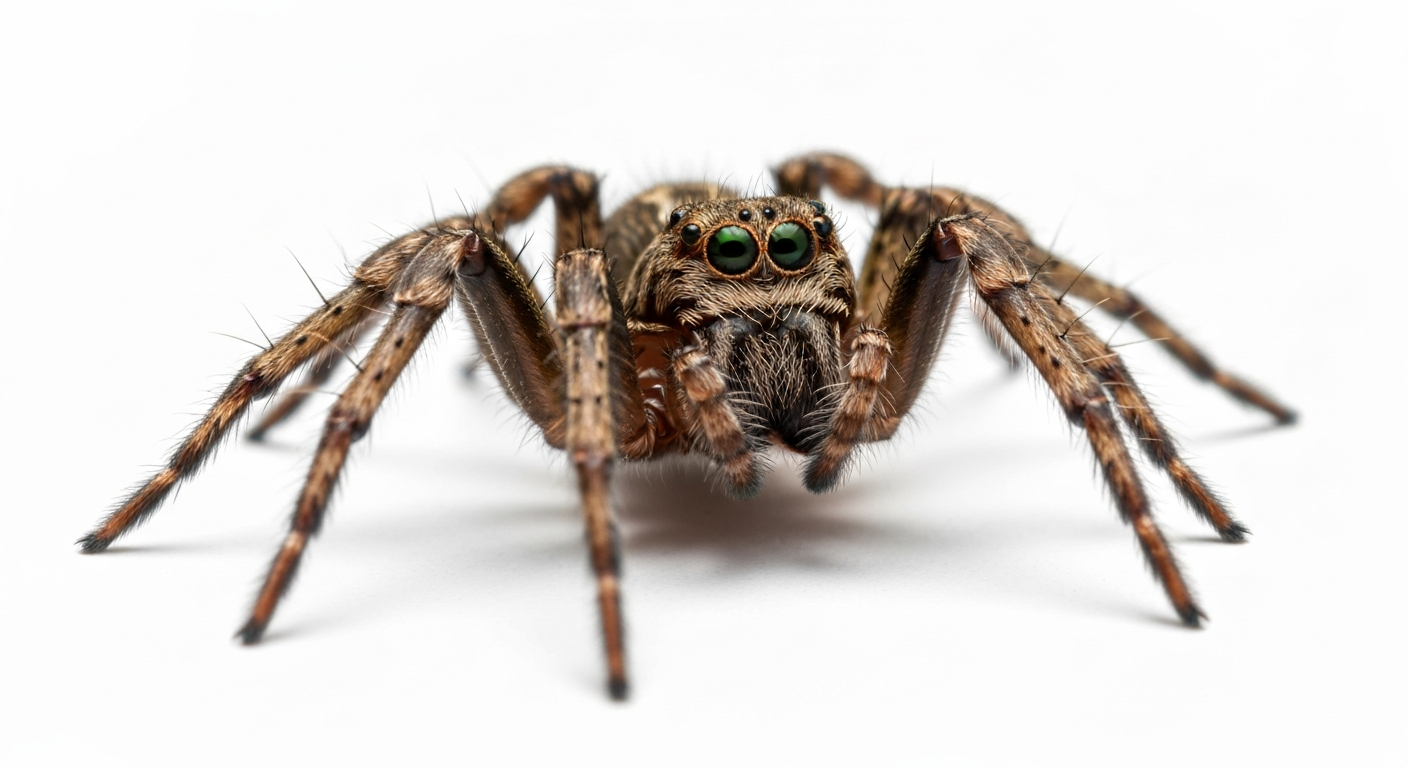
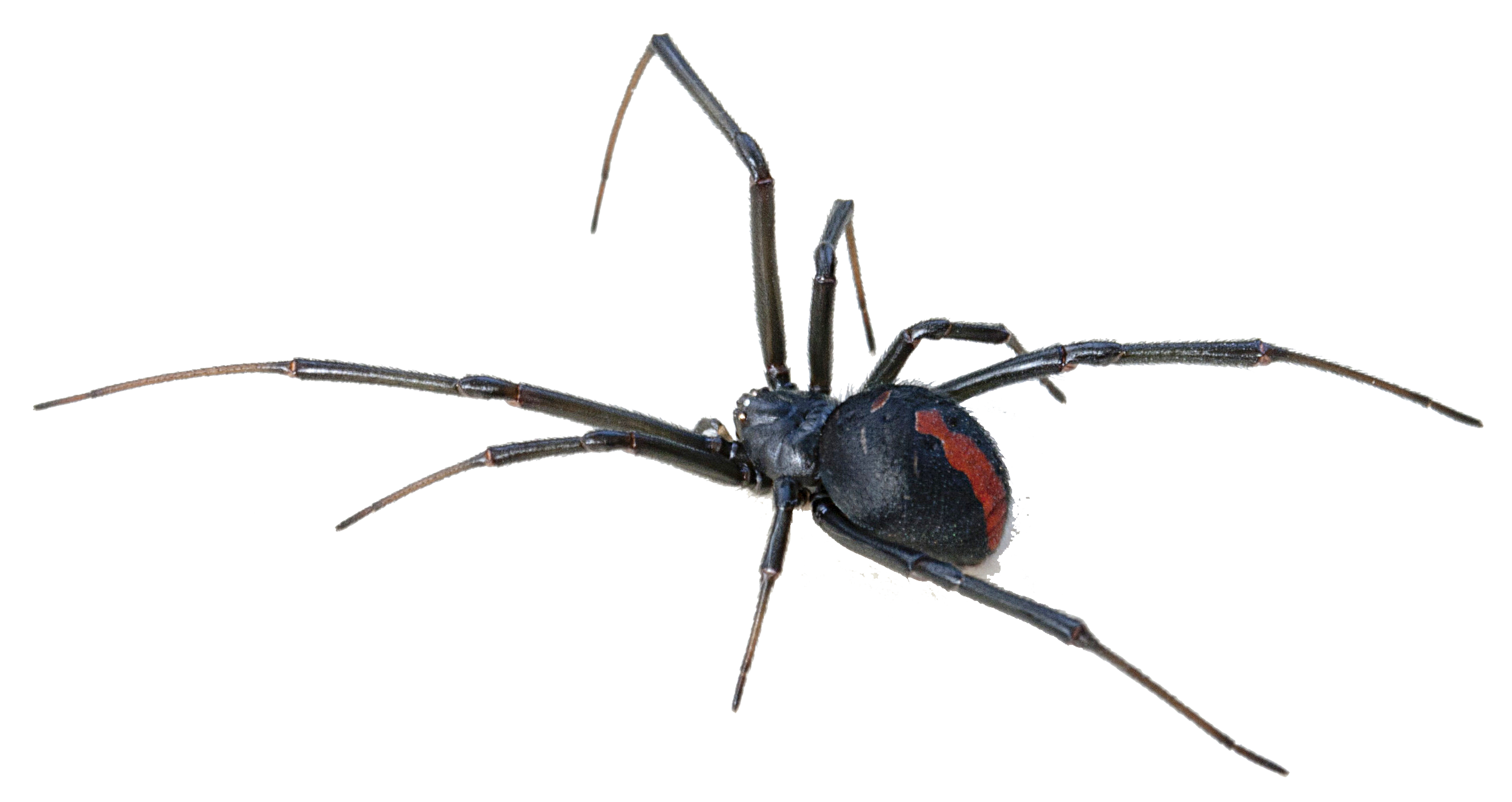
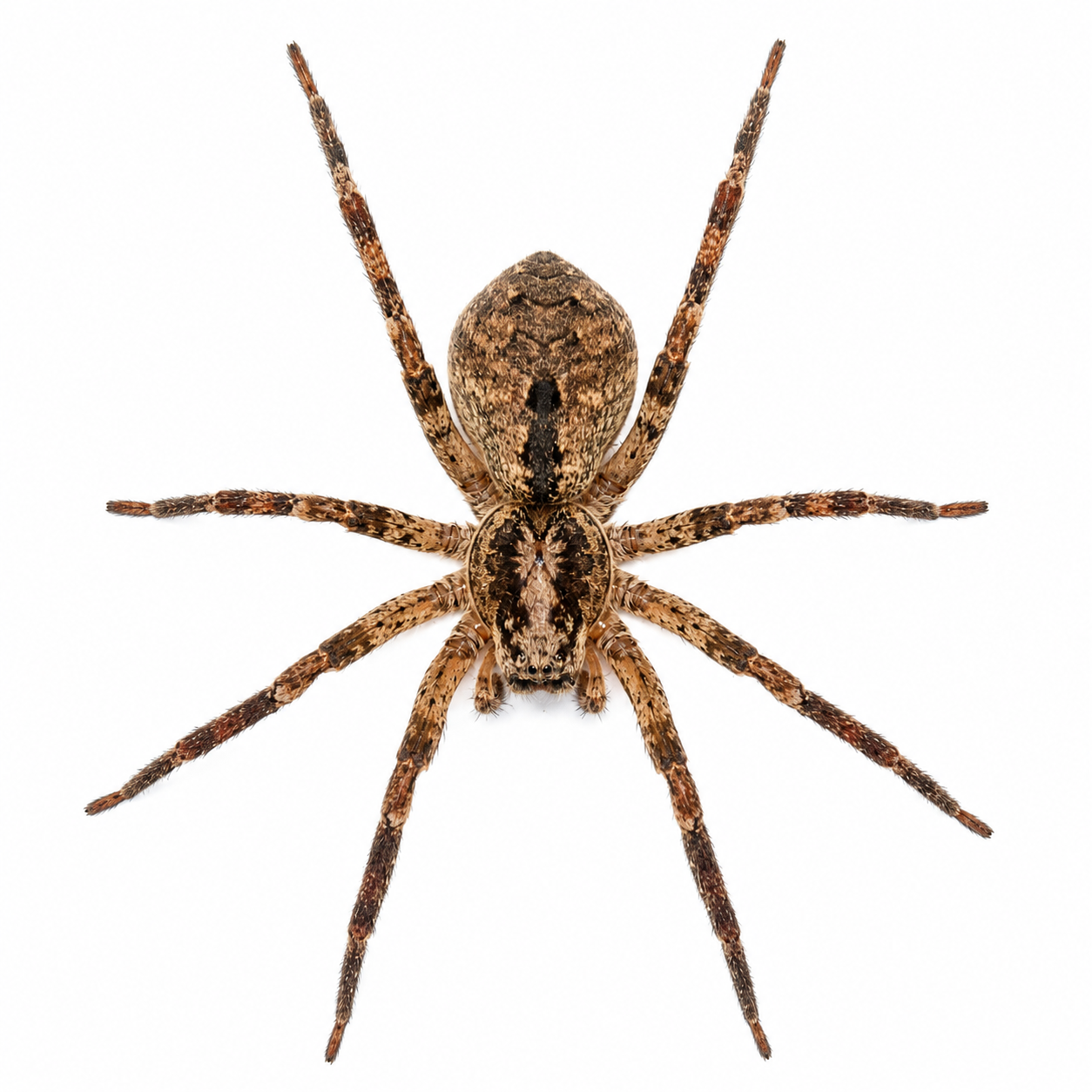
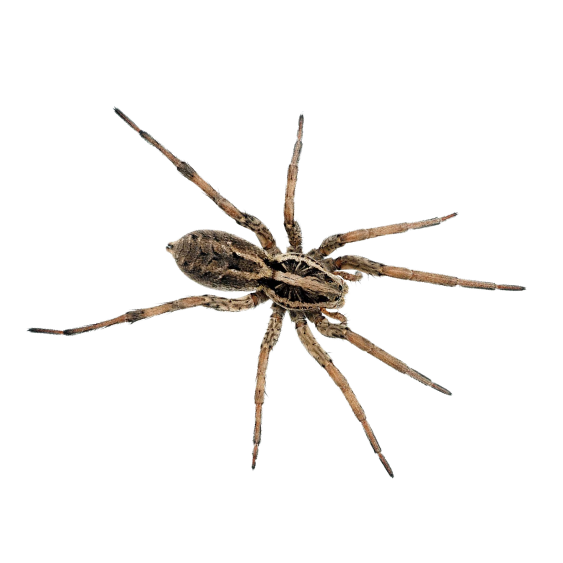
    Spiders are eight-legged arachnids that spin webs to catch prey. While most are harmless and beneficial, their presence indoors is often unwelcome.

    Key Identifier: Eight legs
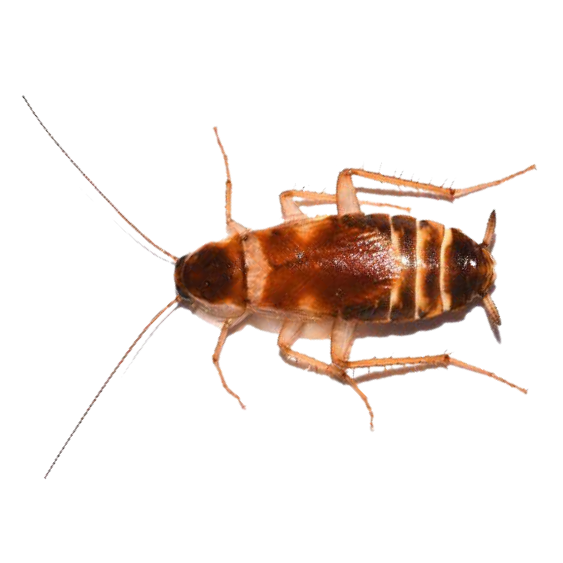
    CockroachesSpecialty

    Blattodea

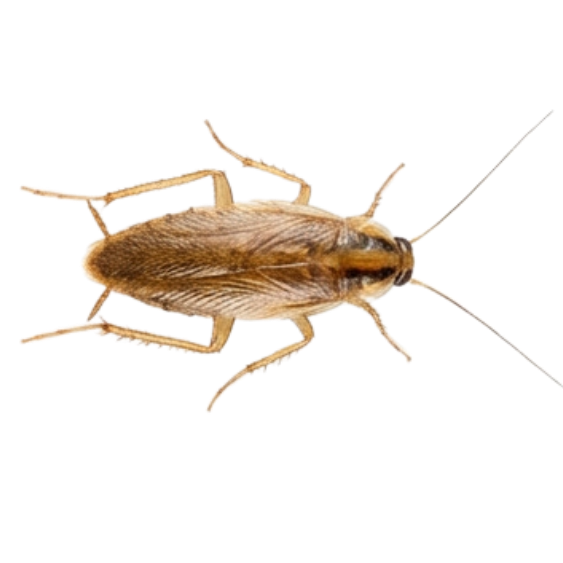
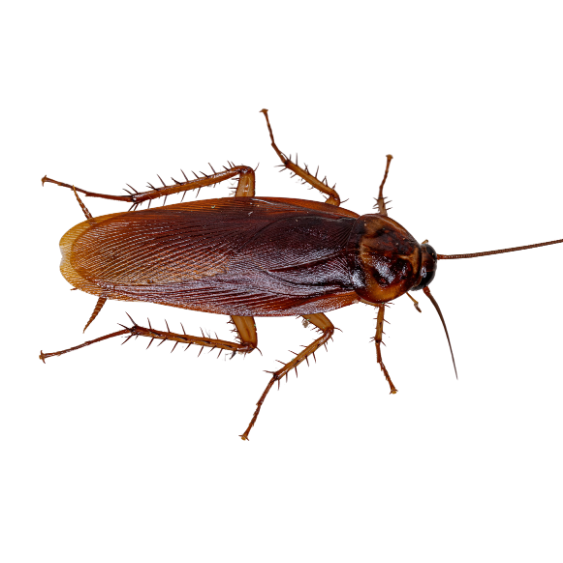
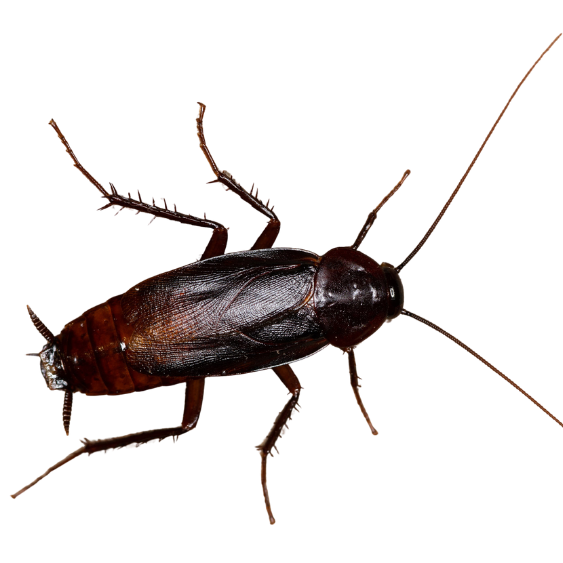
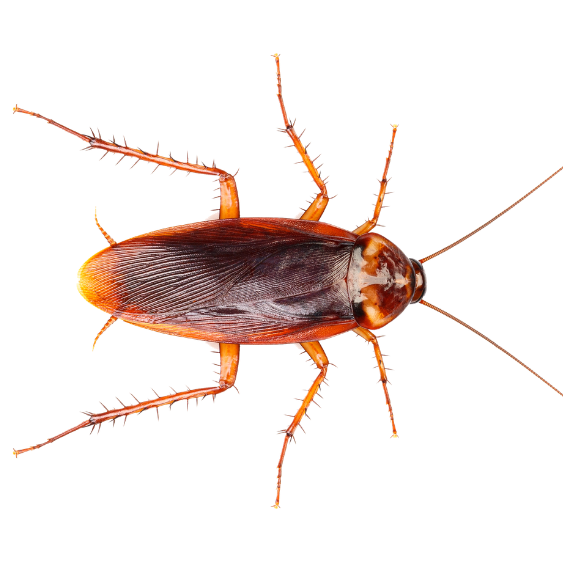
    Cockroaches

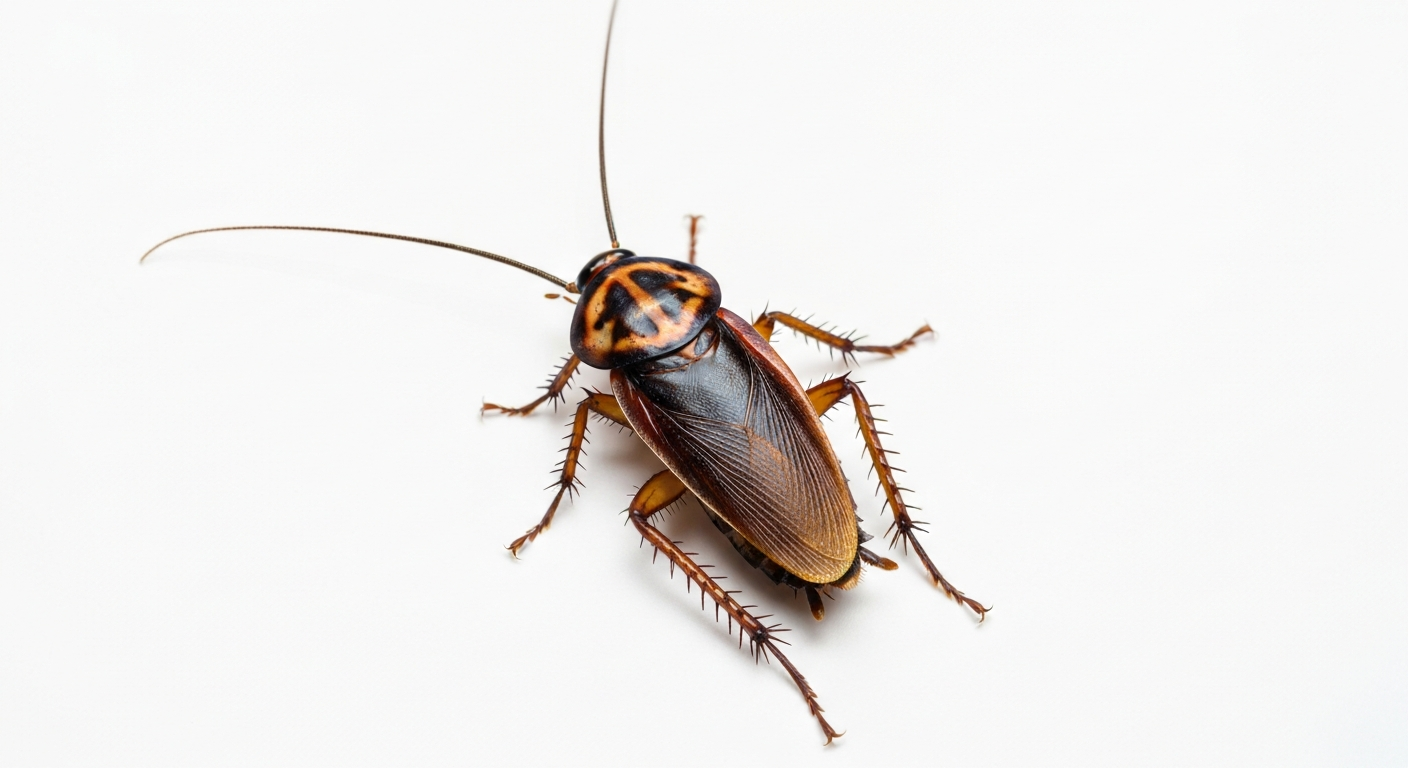
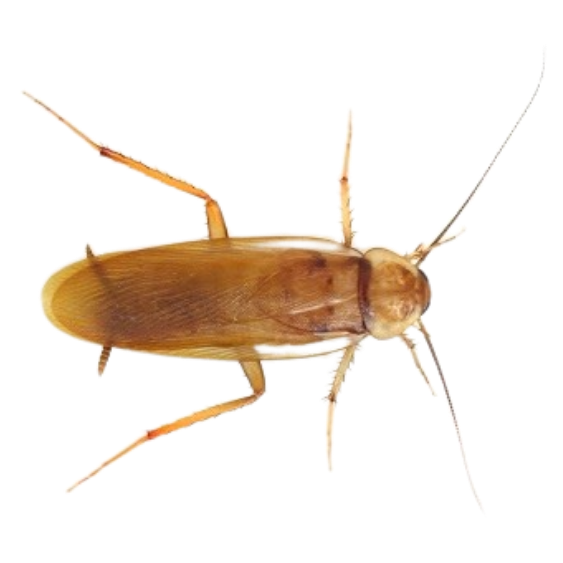
    Cockroaches are incredibly resilient insects that can infest homes and businesses. They are known for spreading bacteria and triggering allergies.

    Key Identifier: Oval, flattened bodies
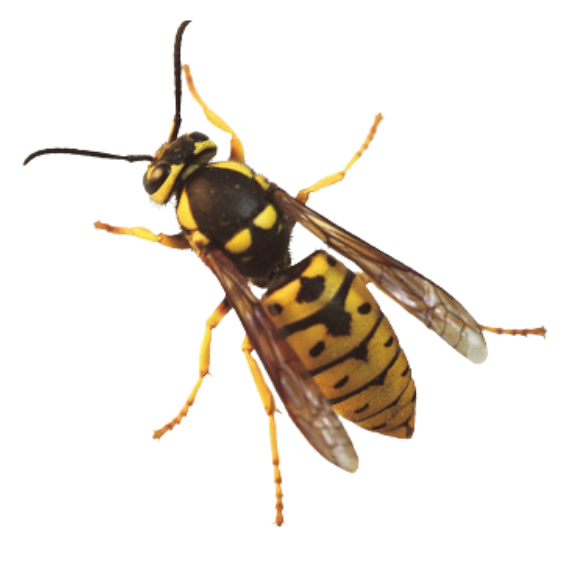
    Wasps High RiskGPC Included

    Vespidae

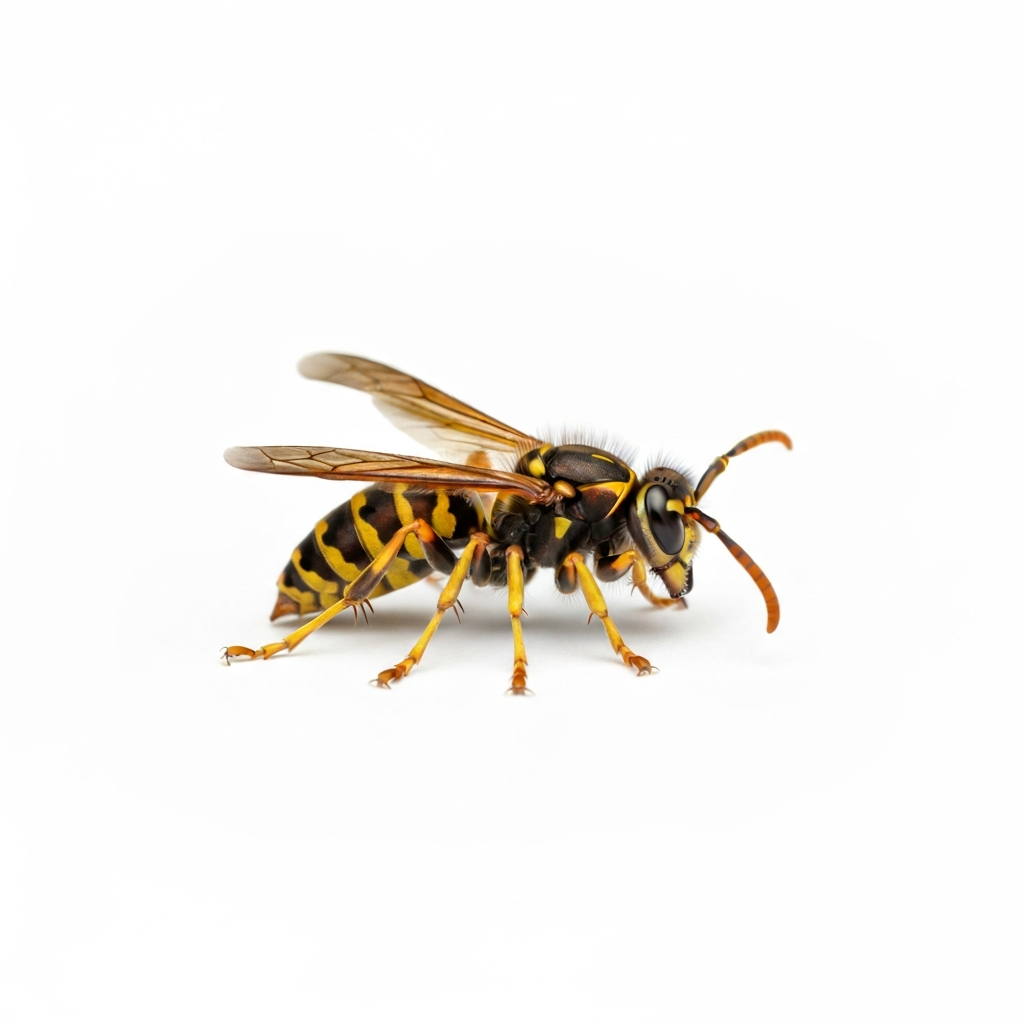
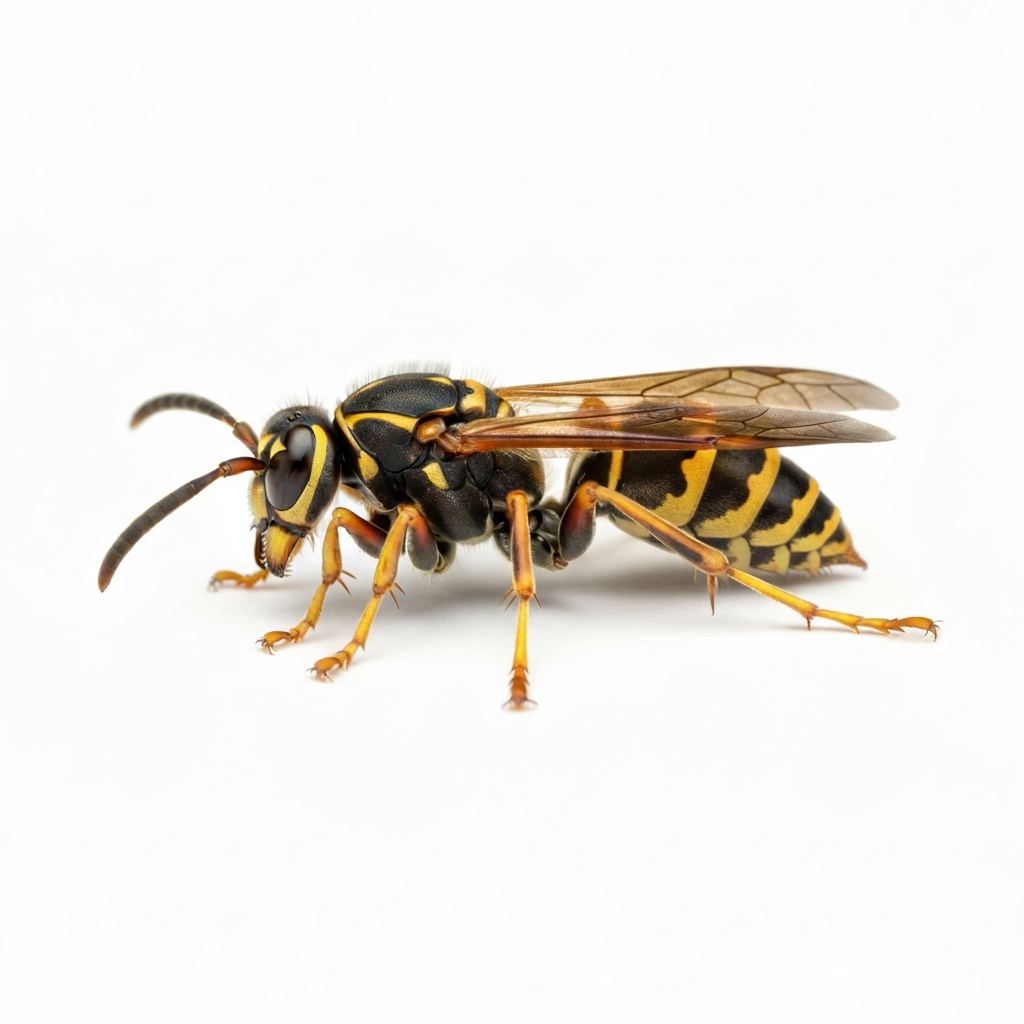
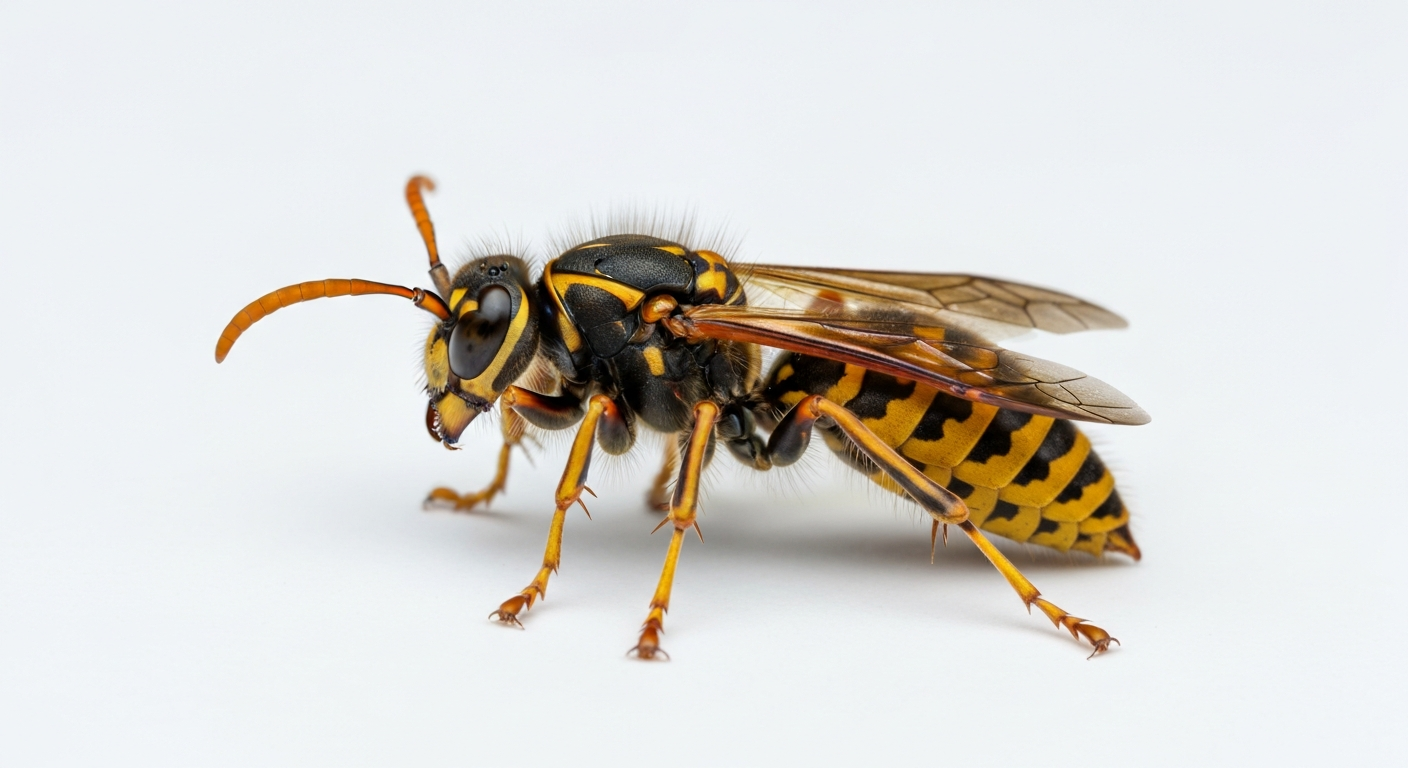
    Wasps

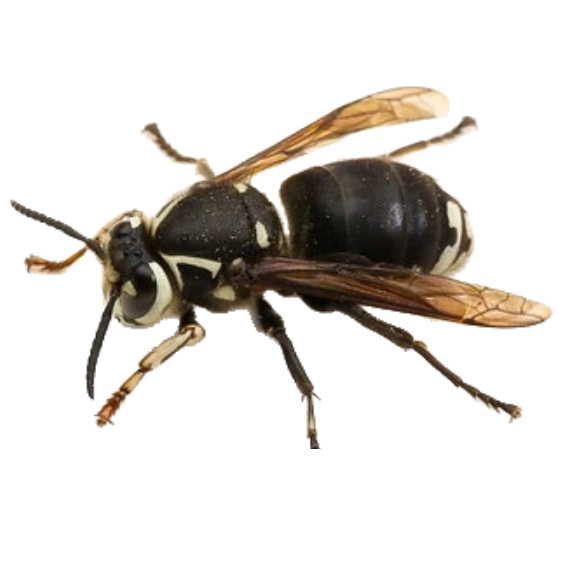
    Wasps are predatory flying insects. While paper wasps are generally less aggressive than hornets, they will defend their nests if disturbed.

    Key Identifier: Slender bodies with a narrow 'waist'
    Bed Bugs High RiskSpecialty

    Cimex lectularius

    Bed Bugs

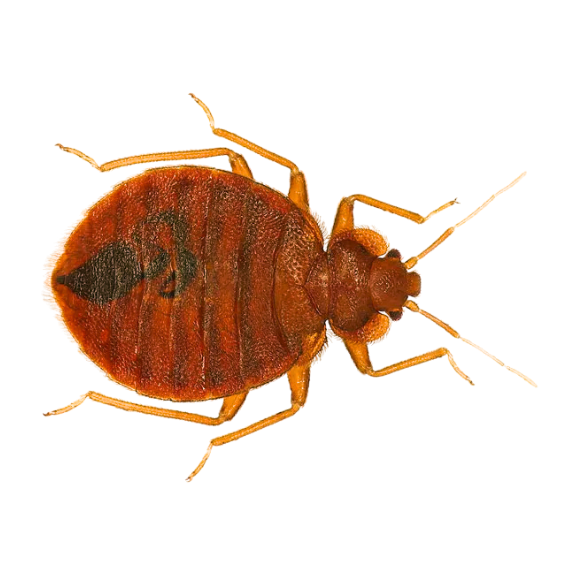
    Bed bugs are small, flat, parasitic insects that feed solely on the blood of people and animals while they sleep.

    Key Identifier: About the size of an apple seed (5-7 mm)
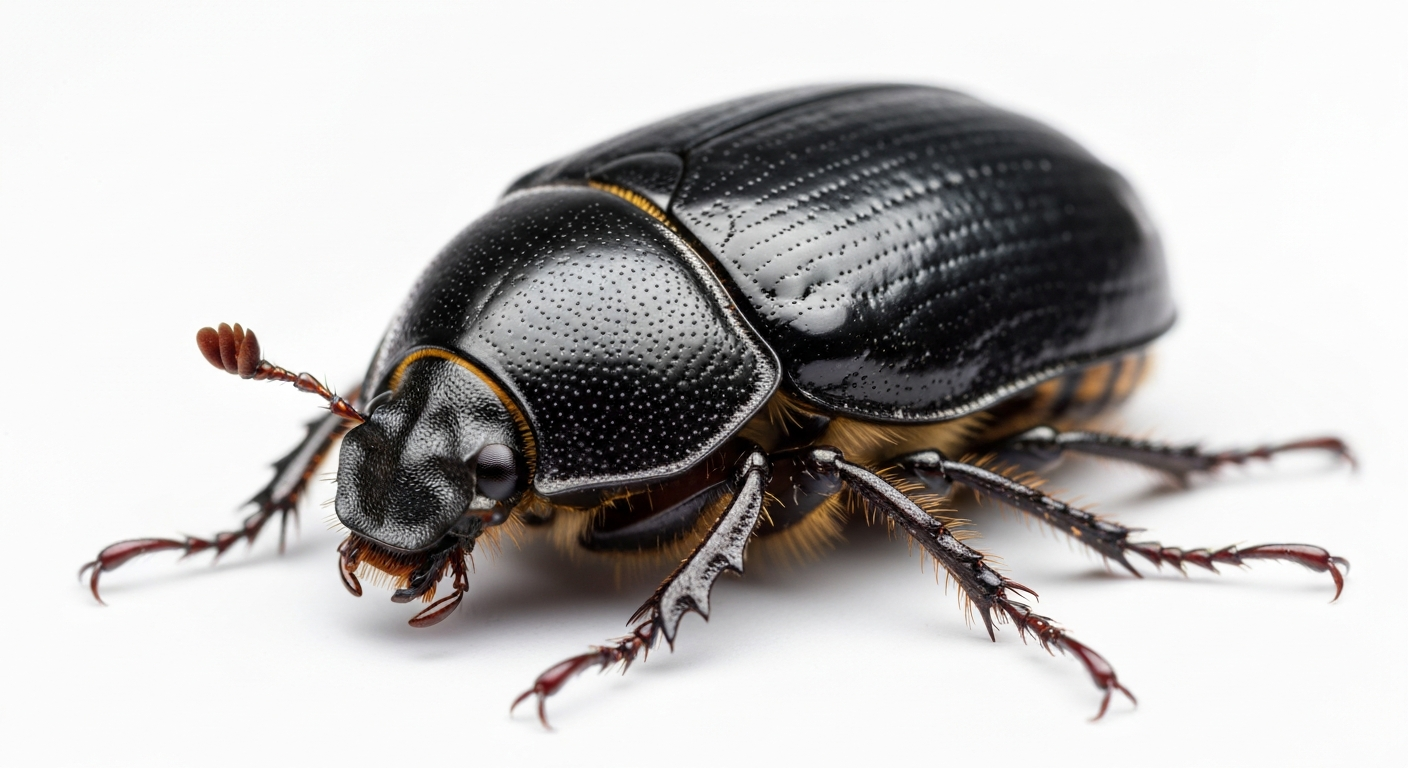
    BeetlesSpecialty

    Coleoptera

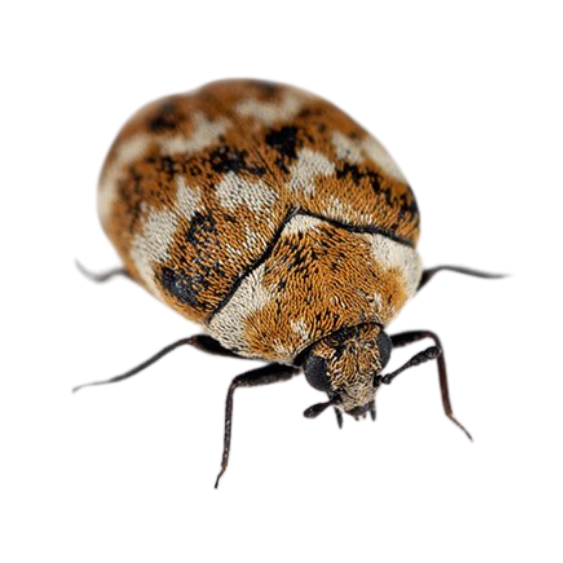
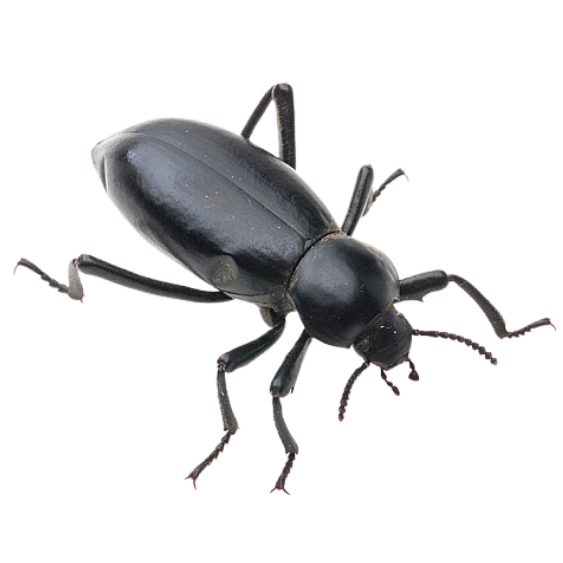
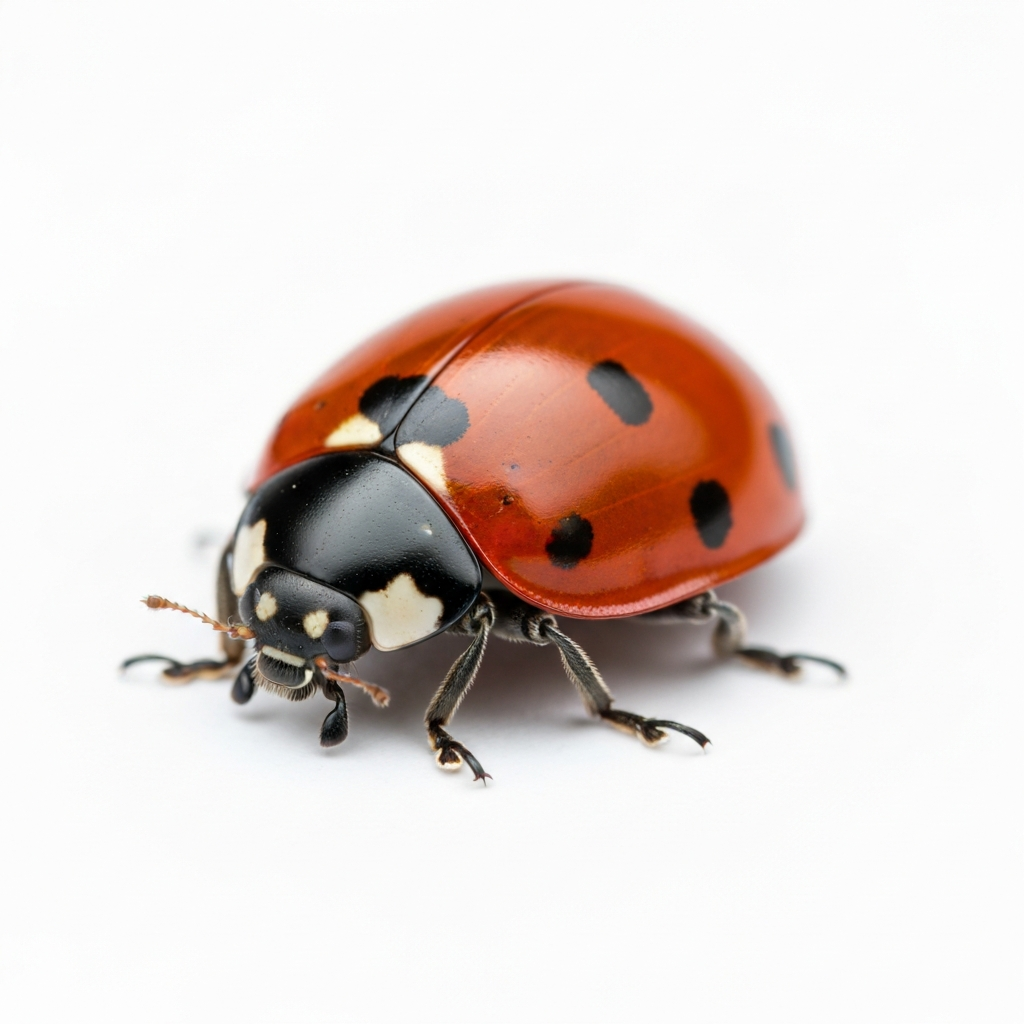
    Beetles

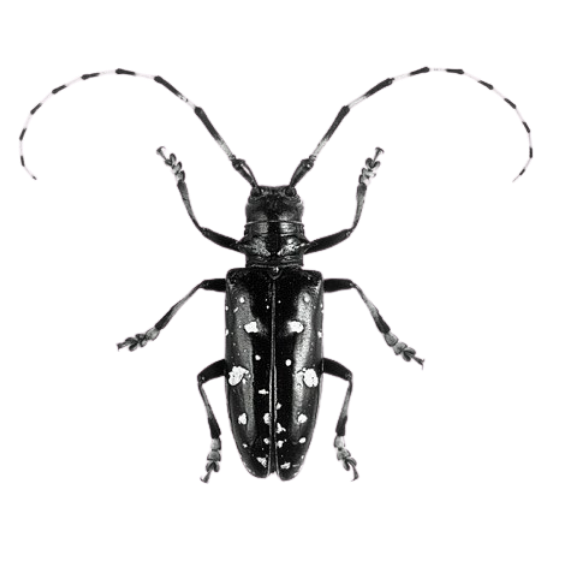
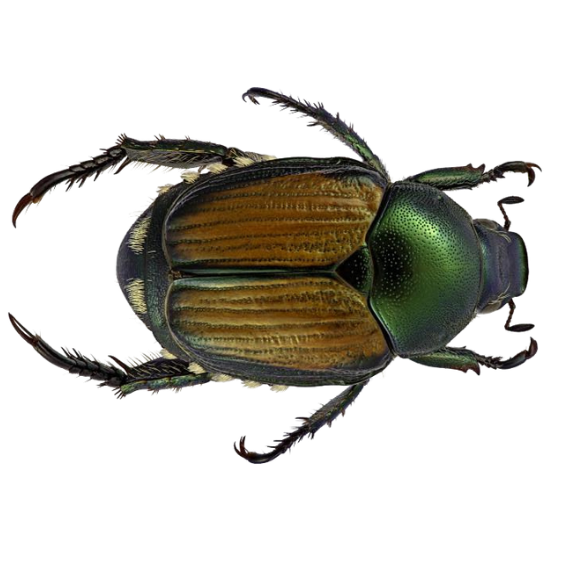
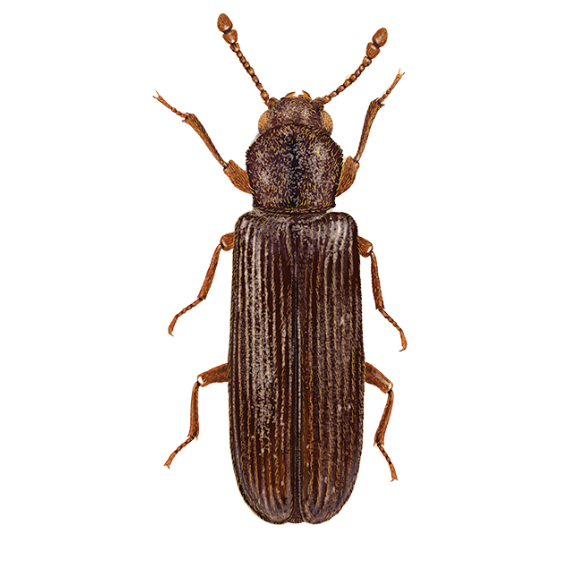
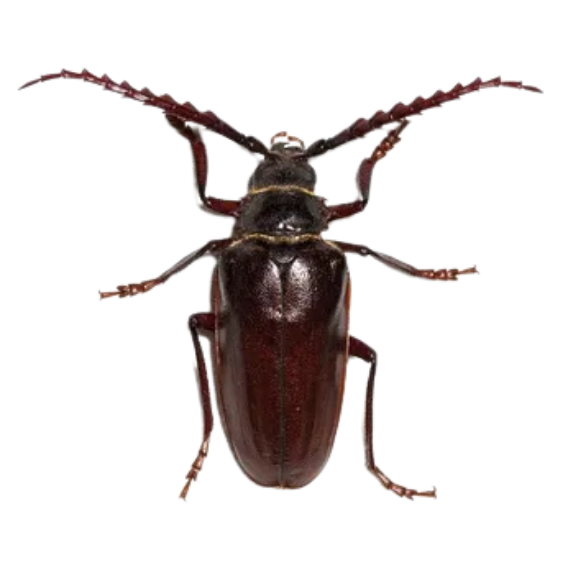
    Beetles make up the largest order of insects. They can be found in almost every habitat and vary wildly in size, shape, and color. Many species are considered pests because they damage crops, stored food, or property.

    Key Identifier: Hardened front wings (elytra) that meet in a straight line down the back
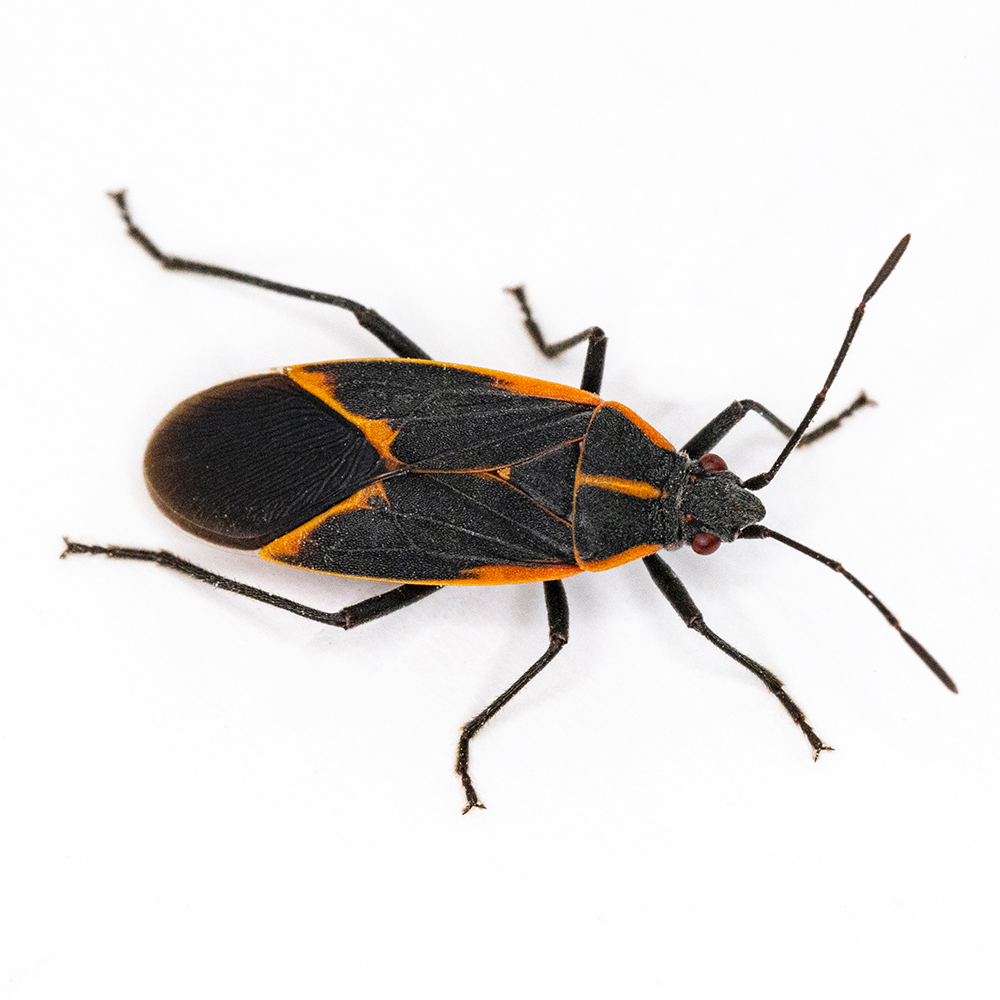
    Boxelder BugsGPC Included

    Boisea trivittata

    Boxelder Bugs

    Boxelder bugs are nuisance pests known for congregating in large numbers on the warm, sunny sides of buildings in the fall before moving indoors to overwinter.

    Key Identifier: About 1/2 inch long
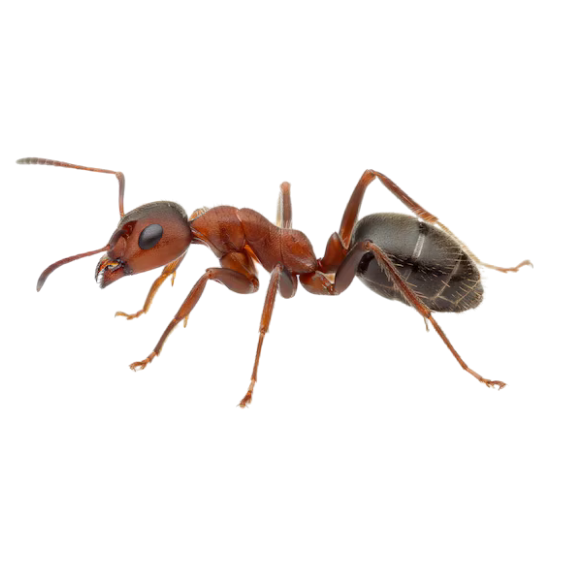
    Carpenter AntsGPC Included

    Camponotus

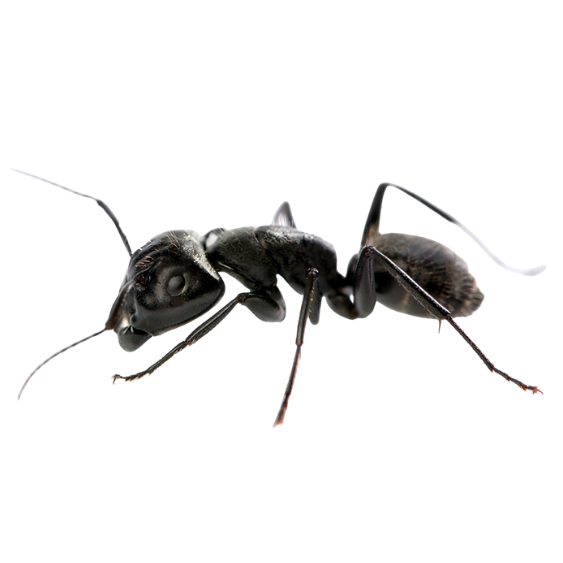
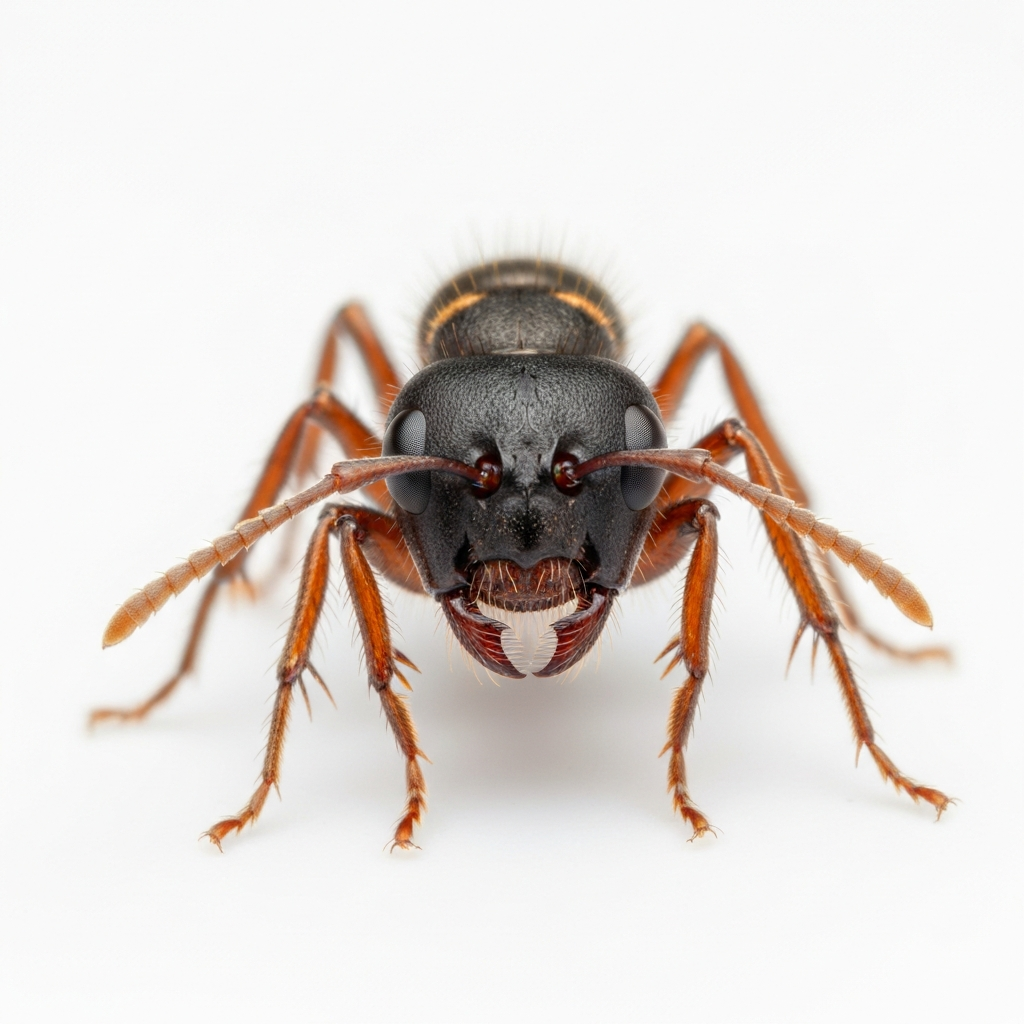
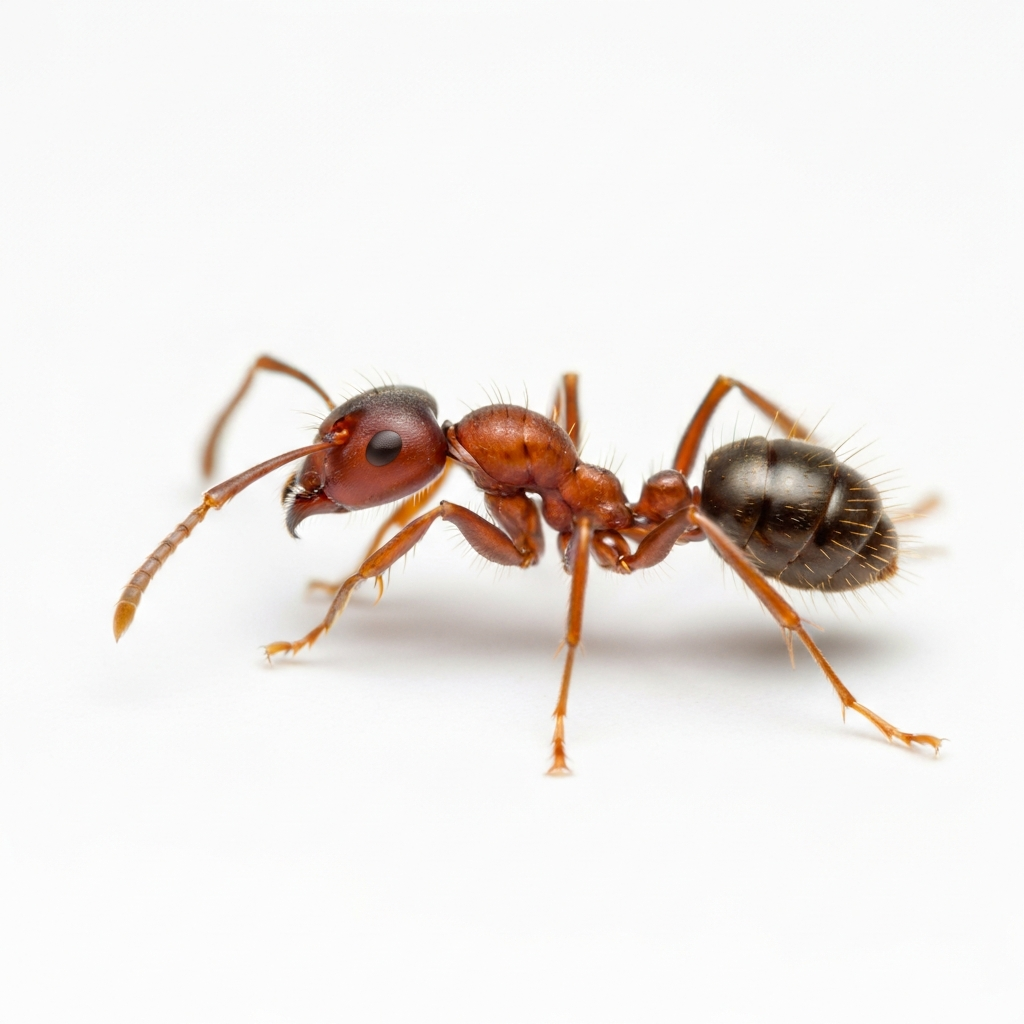
    Carpenter Ants

    Carpenter ants are large ants indigenous to many forested parts of the world. They build nests inside wood consisting of galleries chewed out with their mandibles.

    Key Identifier: Large size, up to 5/8 inch long
    Carpenter BeesSpecialty

    Xylocopa

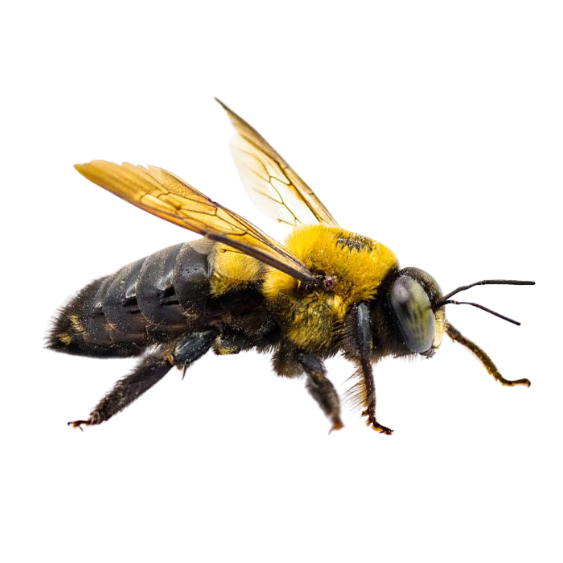
    Carpenter Bees

    Carpenter bees are large, solitary bees that bore into wood to create galleries for nesting. They resemble bumblebees but have shiny, hairless abdomens.

    Key Identifier: Large, robust bees (1/2 to 1 inch long)
    CentipedesGPC Included

    Chilopoda

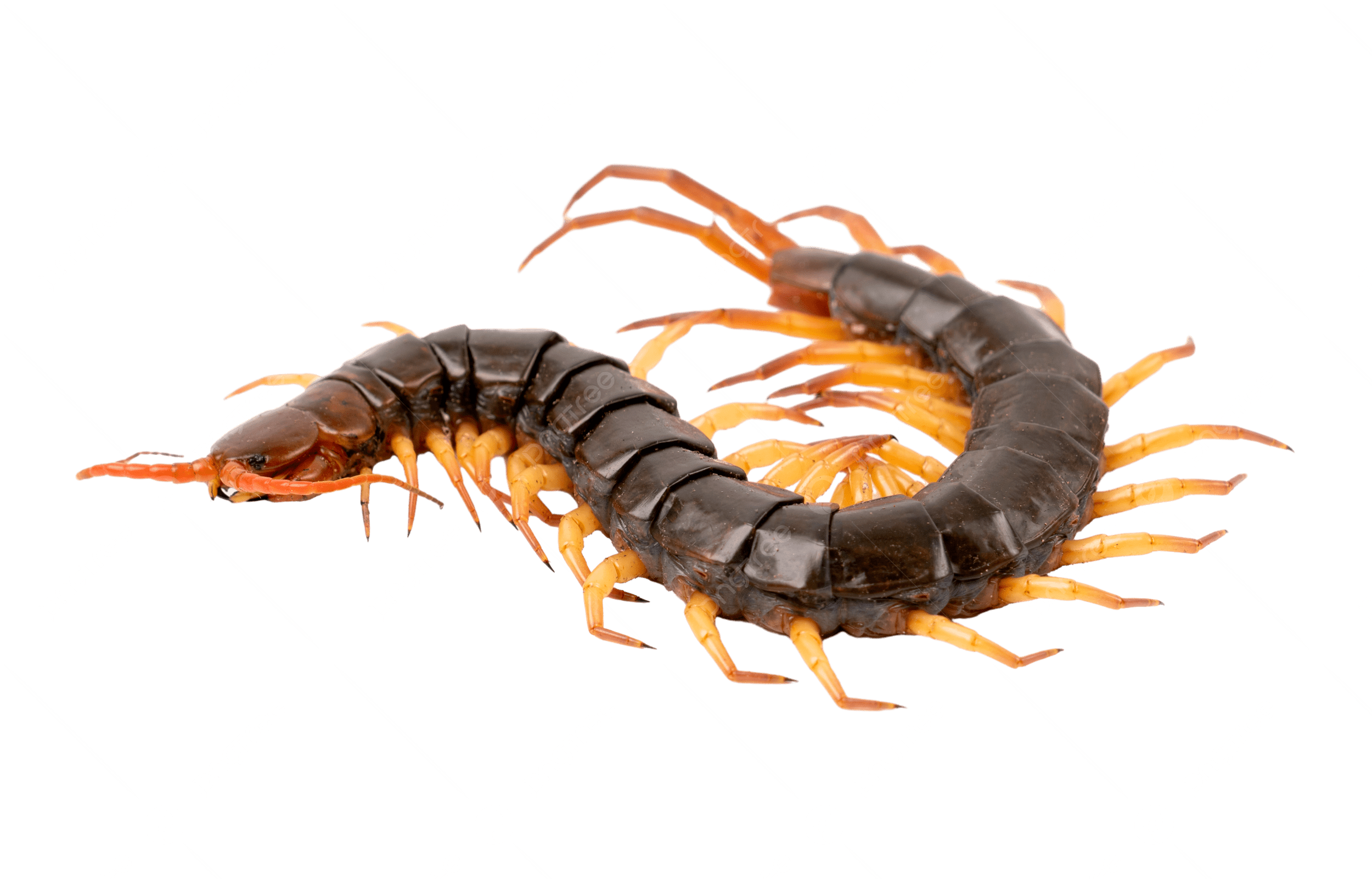
    Centipedes

    Centipedes are elongated, multi-legged arthropods. The house centipede is commonly found indoors, moving rapidly across floors and walls.

    Key Identifier: Long, flattened body
    Cicada KillersSpecialty

    Sphecius speciosus

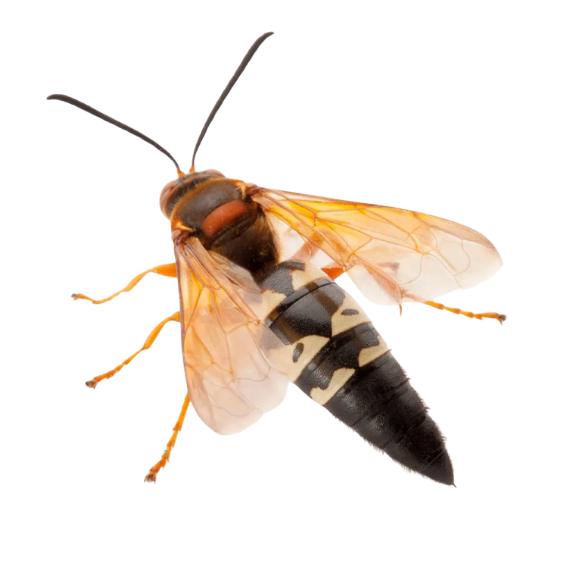
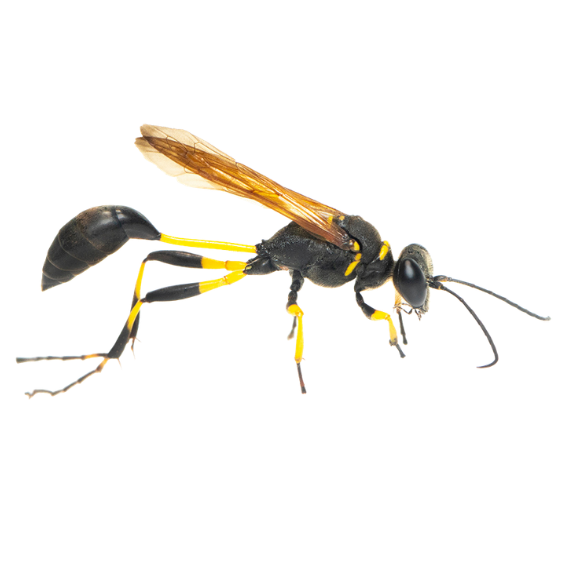
    Cicada Killers

    Cicada killers are large, solitary wasps that hunt cicadas to provision their underground nests. Despite their intimidating size, they are generally non-aggressive.

    Key Identifier: Very large wasps, up to 2 inches long
    CricketsGPC Included

    Gryllidae

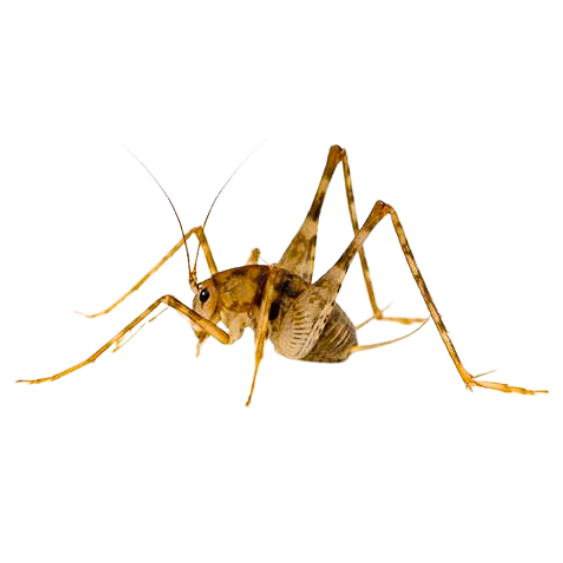
    Crickets

    Crickets are jumping insects known for the loud chirping sounds males make to attract females. They occasionally invade homes seeking shelter.

    Key Identifier: Large hind legs for jumping
    EarwigsGPC Included

    Dermaptera

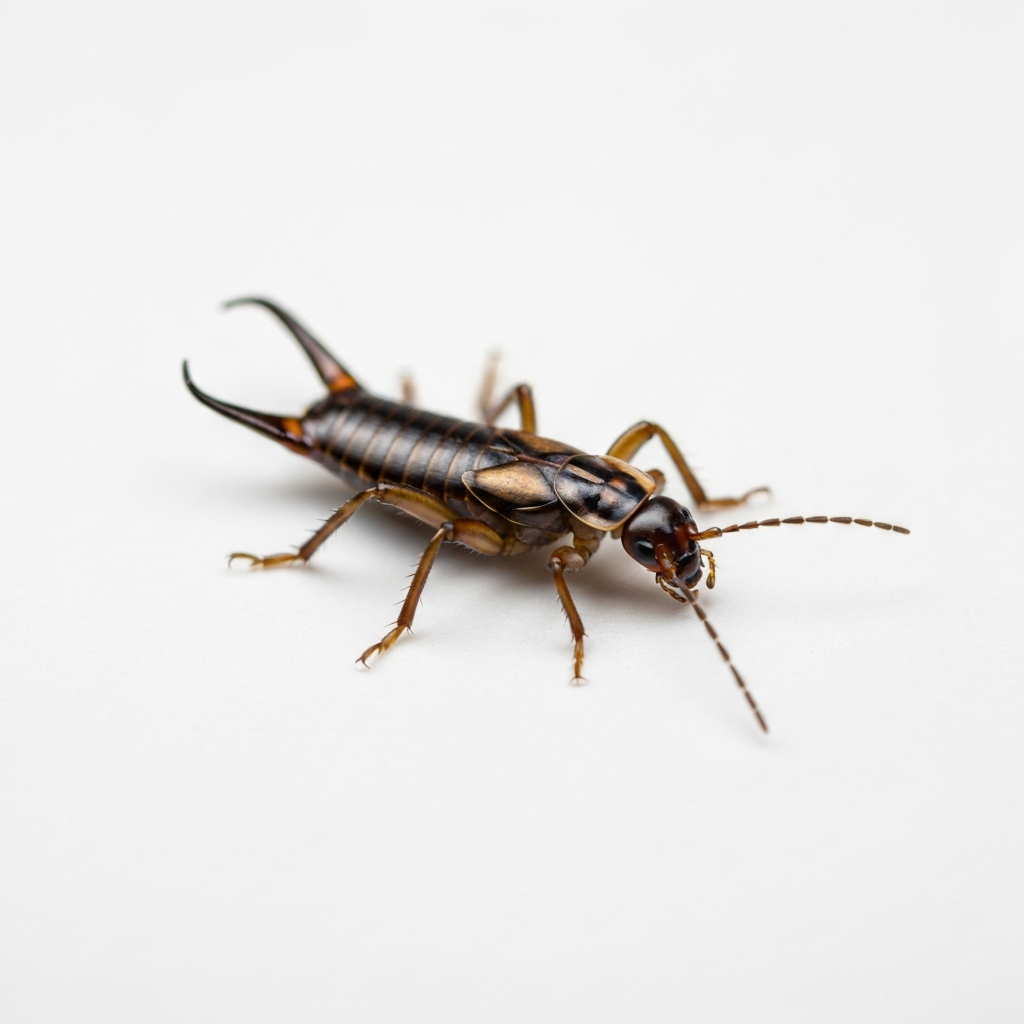
    Earwigs

    Earwigs are distinctive insects easily recognized by the pincers (cerci) on the end of their abdomen. Despite myths, they do not crawl into people's ears.

    Key Identifier: Forceps-like pincers on the abdomen
    FleasSpecialty

    Siphonaptera

    Fleas

    Fleas are tiny, wingless parasites that survive by feeding on the blood of warm-blooded hosts, including pets and humans.

    Key Identifier: Very small (1/12 to 1/6 inch long)
    GophersSpecialty

    Geomyidae

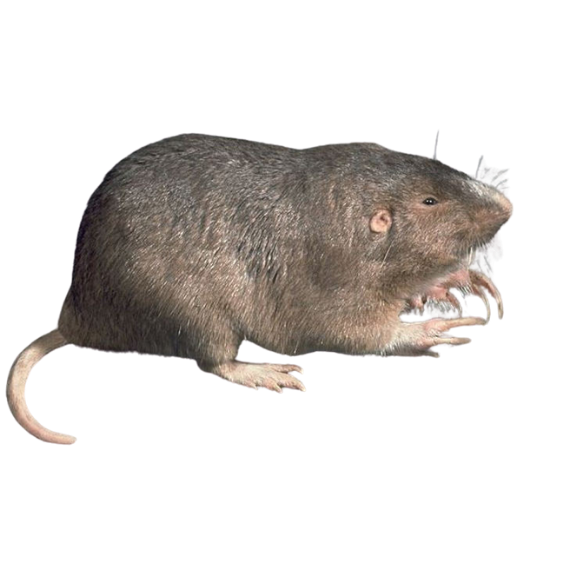
    Gophers

    Pocket gophers are burrowing rodents that create extensive underground tunnel systems. They are known for destroying lawns, gardens, and agricultural crops.

    Key Identifier: Medium-sized rodents (6-10 inches long)
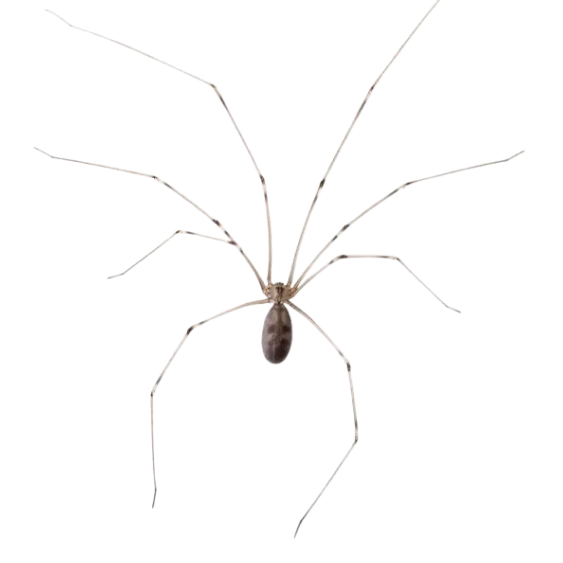
    Hornets High RiskSpecialty

    Vespa

    Hornets

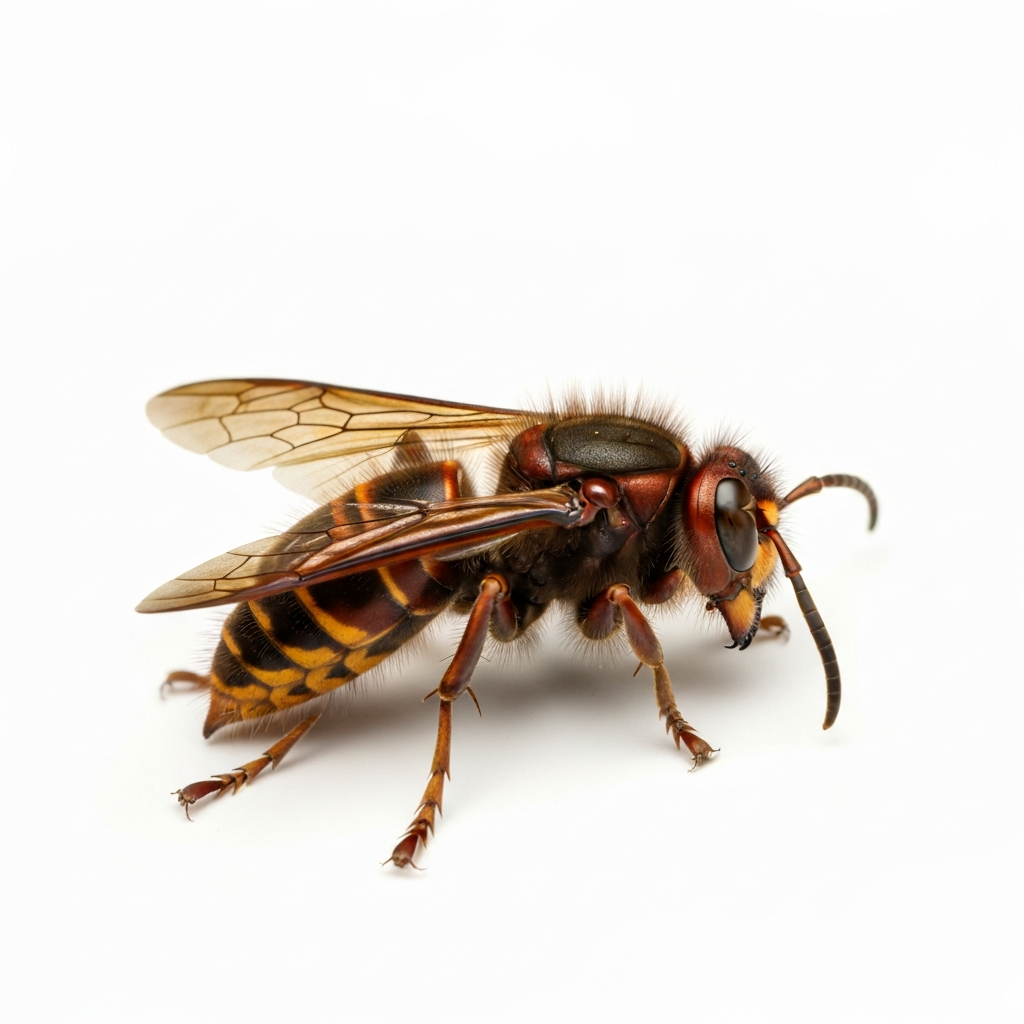
    Hornets are the largest of the eusocial wasps. They build large, enclosed paper nests, often high in trees or under eaves.

    Key Identifier: Large size (some species over 1 inch long)
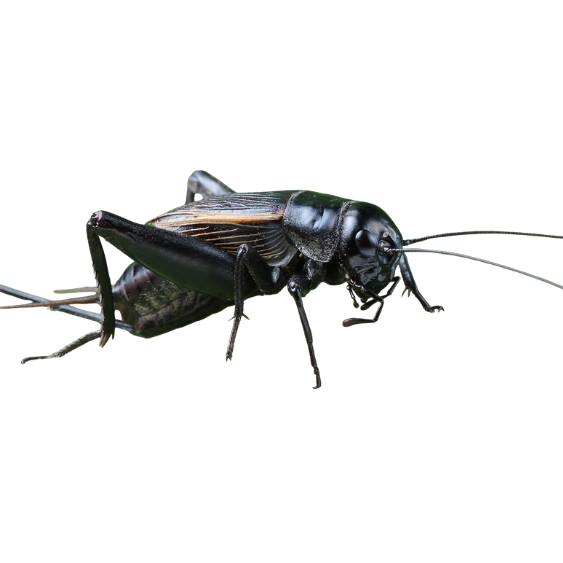
    Indian Meal MothSpecialty

    Plodia interpunctella

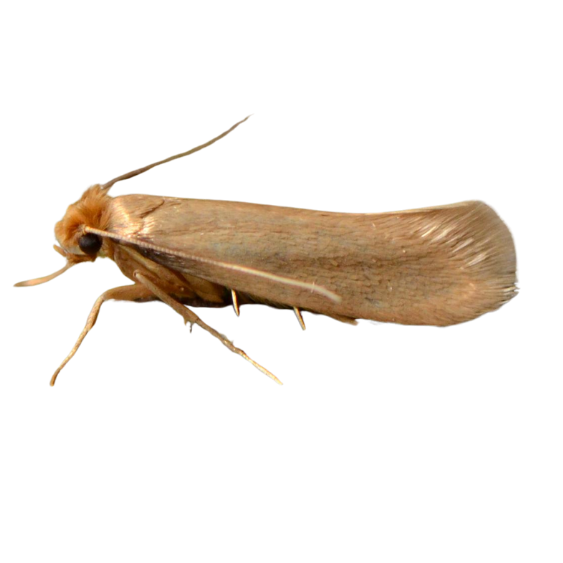
    Indian Meal Moth

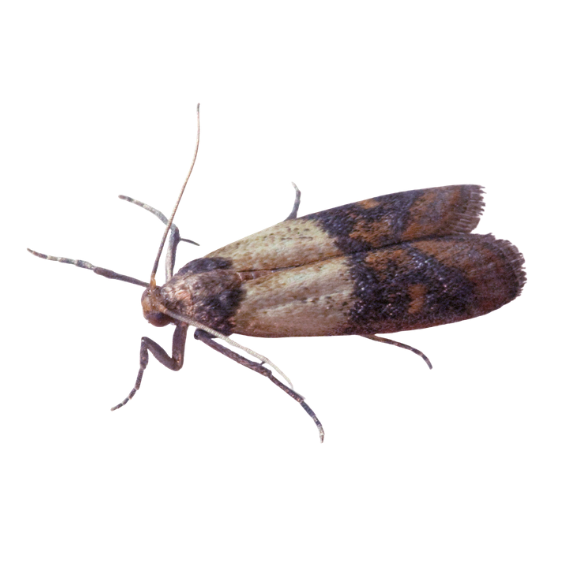
    The Indian meal moth is a common household pest that feeds on stored food products like grains, cereals, nuts, and dried fruits.

    Key Identifier: About 3/8 inch long with a wingspan of about 5/8 inch
    MillipedesGPC Included

    Diplopoda

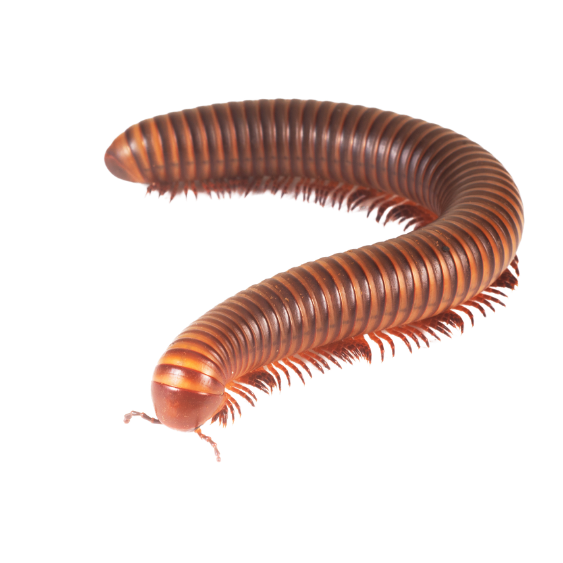
    Millipedes

    Millipedes are slow-moving arthropods with elongated, cylindrical bodies. They are detritivores, feeding on decaying plant matter.

    Key Identifier: Cylindrical, worm-like body
    MitesSpecialty

    Acari

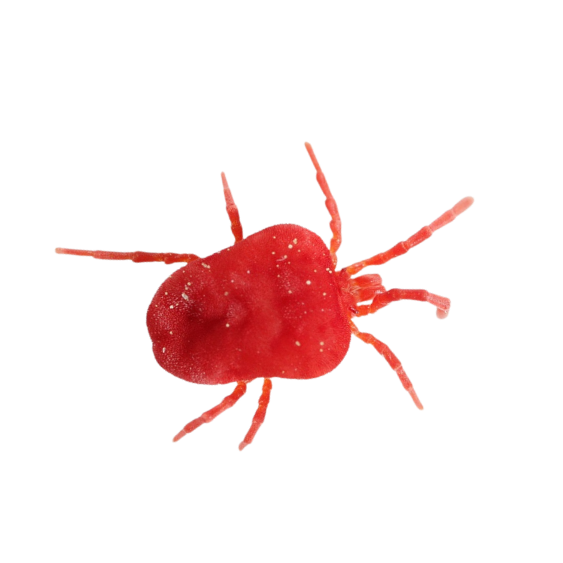
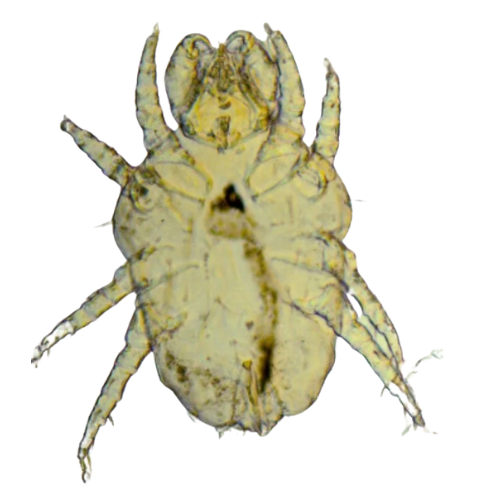
    Mites

    Mites are tiny arachnids related to spiders and ticks. While some species can bite or trigger allergies, many suspected mite infestations are actually caused by other pests or environmental factors.

    Key Identifier: Usually microscopic and impossible to see without magnification
    MolesSpecialty

    Talpidae

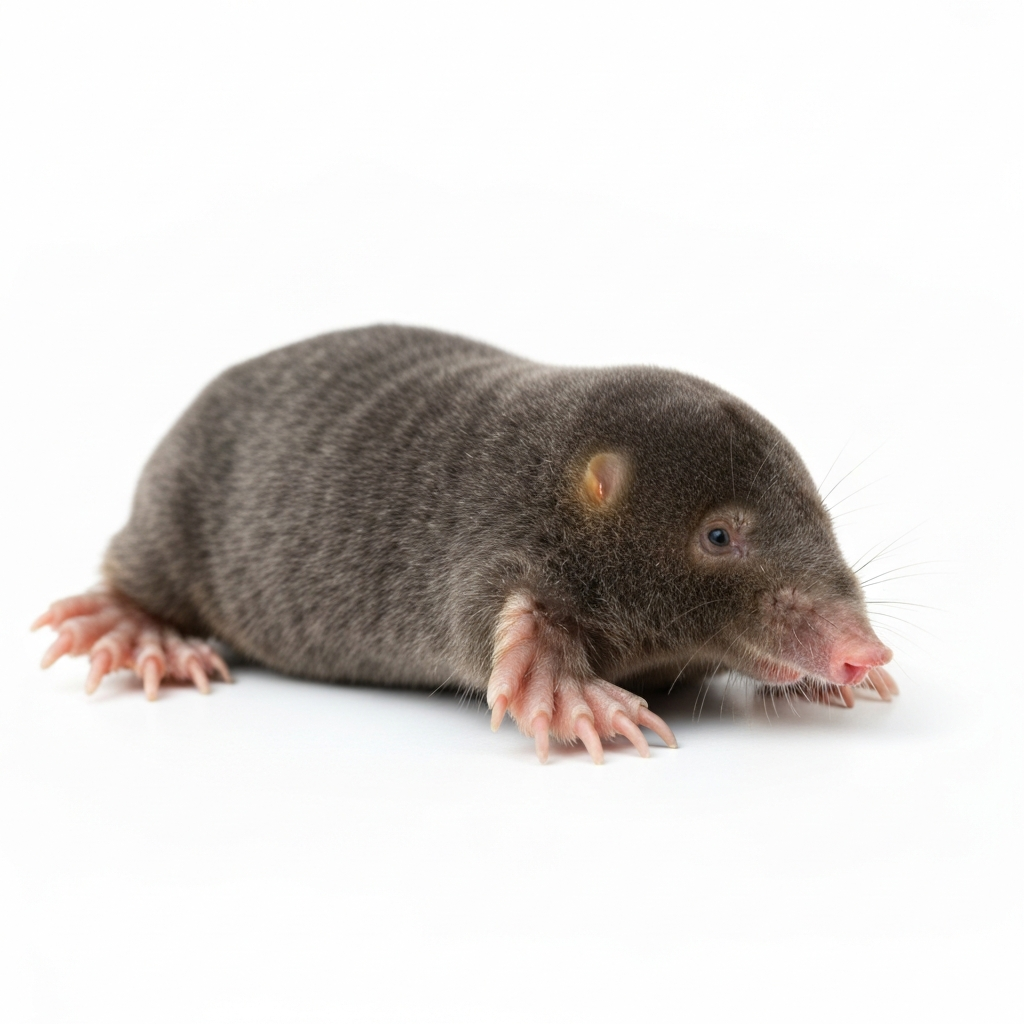
    Moles

    Moles are small mammals adapted to a subterranean lifestyle. They are known for creating extensive tunnel systems in yards and gardens.

    Key Identifier: Velvety dark fur
    MothsSpecialty

    Lepidoptera

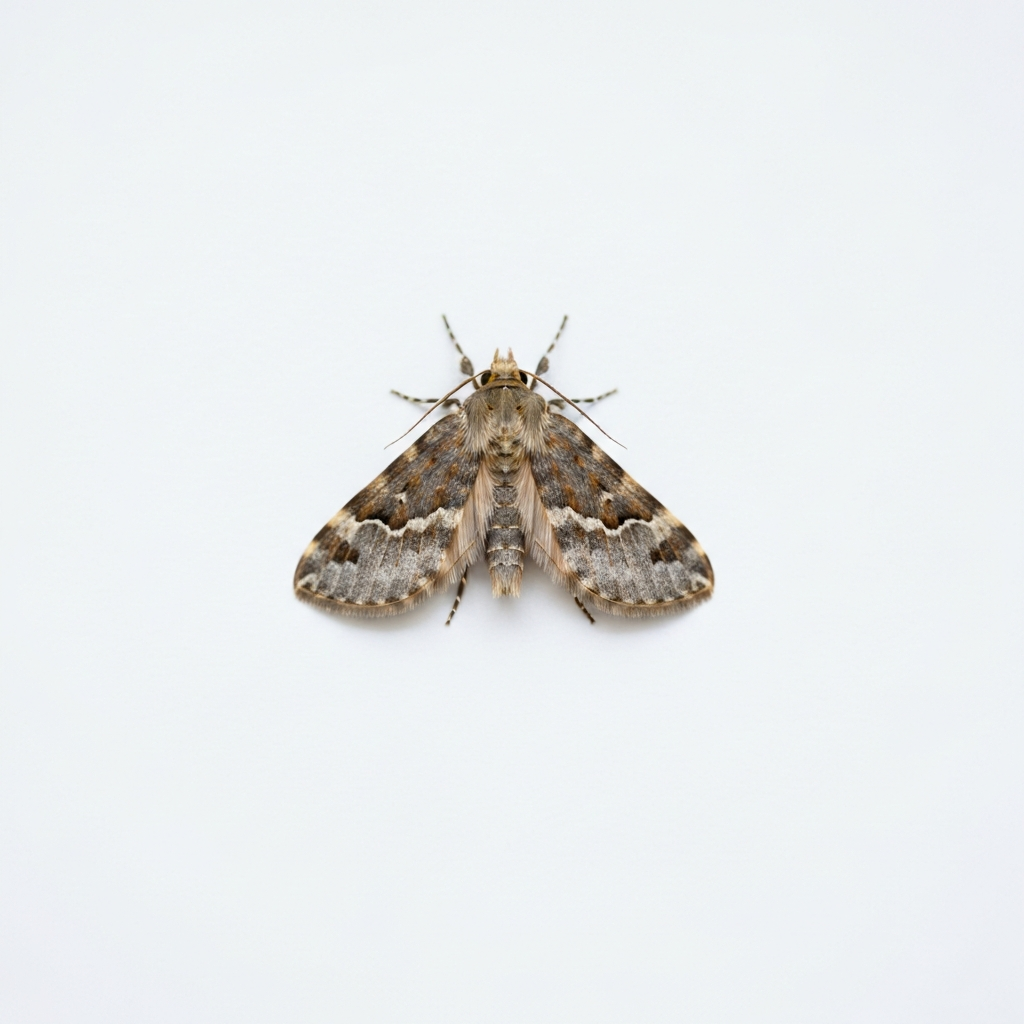
    Moths

    Moths are flying insects closely related to butterflies. While most are harmless, some species like pantry moths and clothes moths can cause significant damage to stored food and fabrics.

    Key Identifier: Two pairs of wings covered in scales
    Pill BugSpecialty

    Armadillidiidae

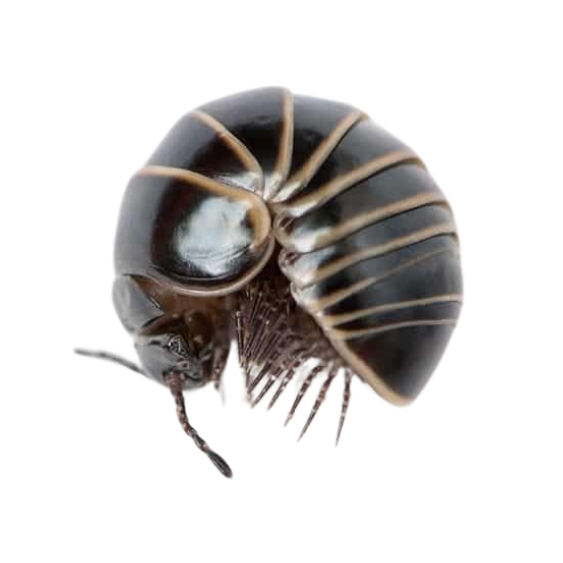
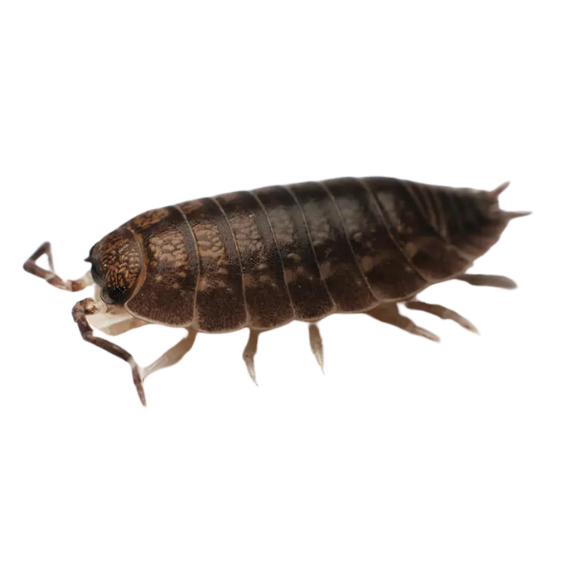
    Pill Bug

    Pill bugs, also known as roly-polies, are terrestrial crustaceans. They are known for their ability to roll into a tight ball when disturbed.

    Key Identifier: About 1/4 to 1/2 inch long
    ScorpionsSpecialty

    Scorpiones

    Scorpions

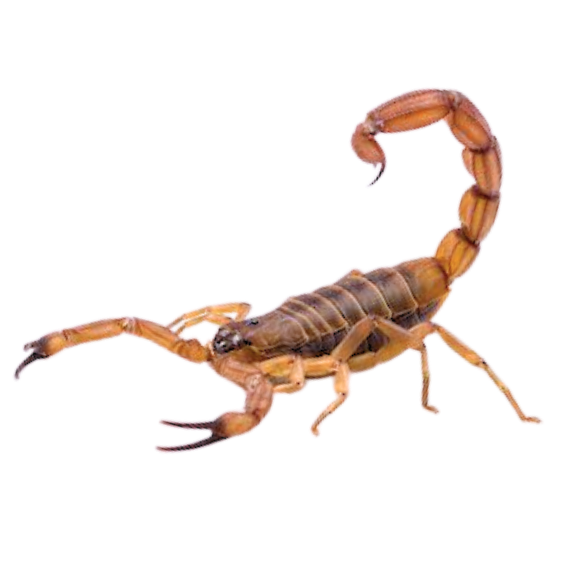
    Scorpions are predatory arachnids recognized by their grasping pedipalps (pincers) and the stinging tail curved forward over their back.
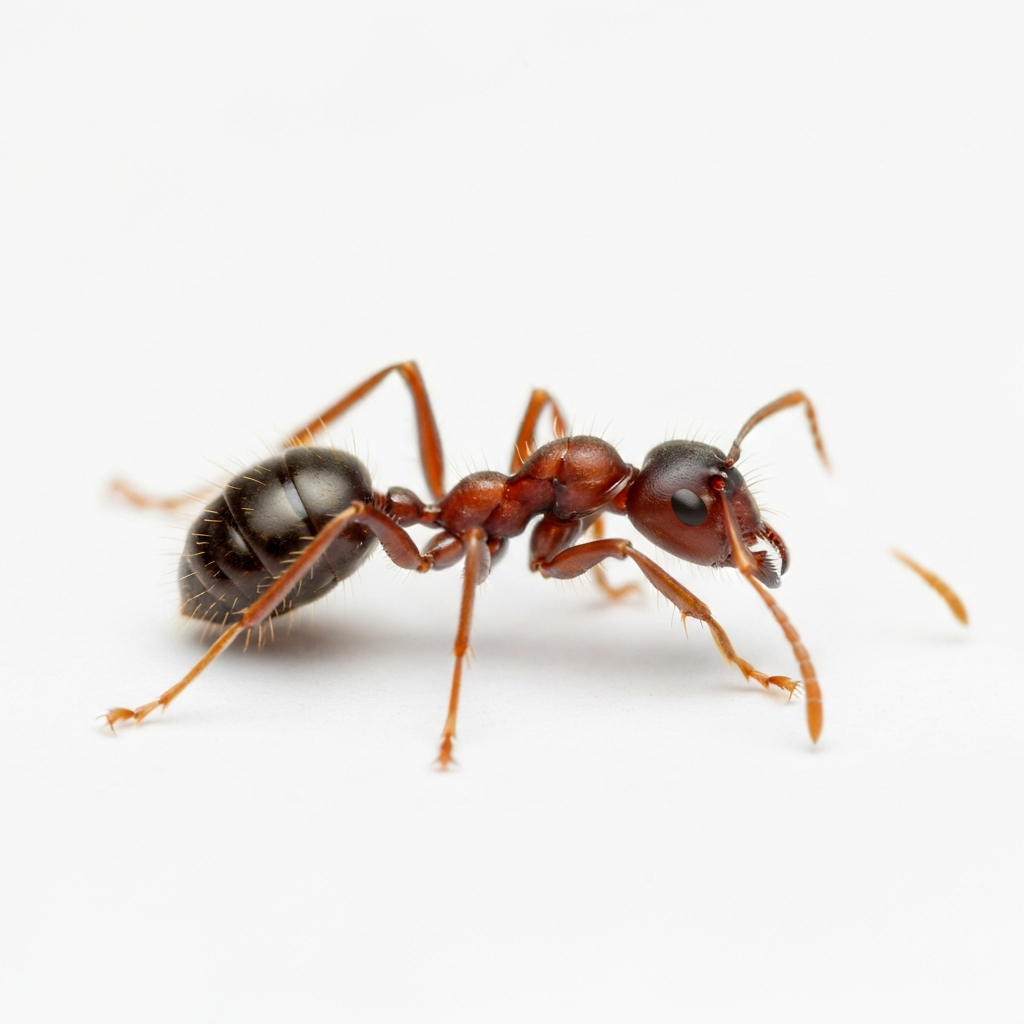
    Key Identifier: Eight legs
    SilverfishGPC Included

    Lepisma saccharinum

    Silverfish

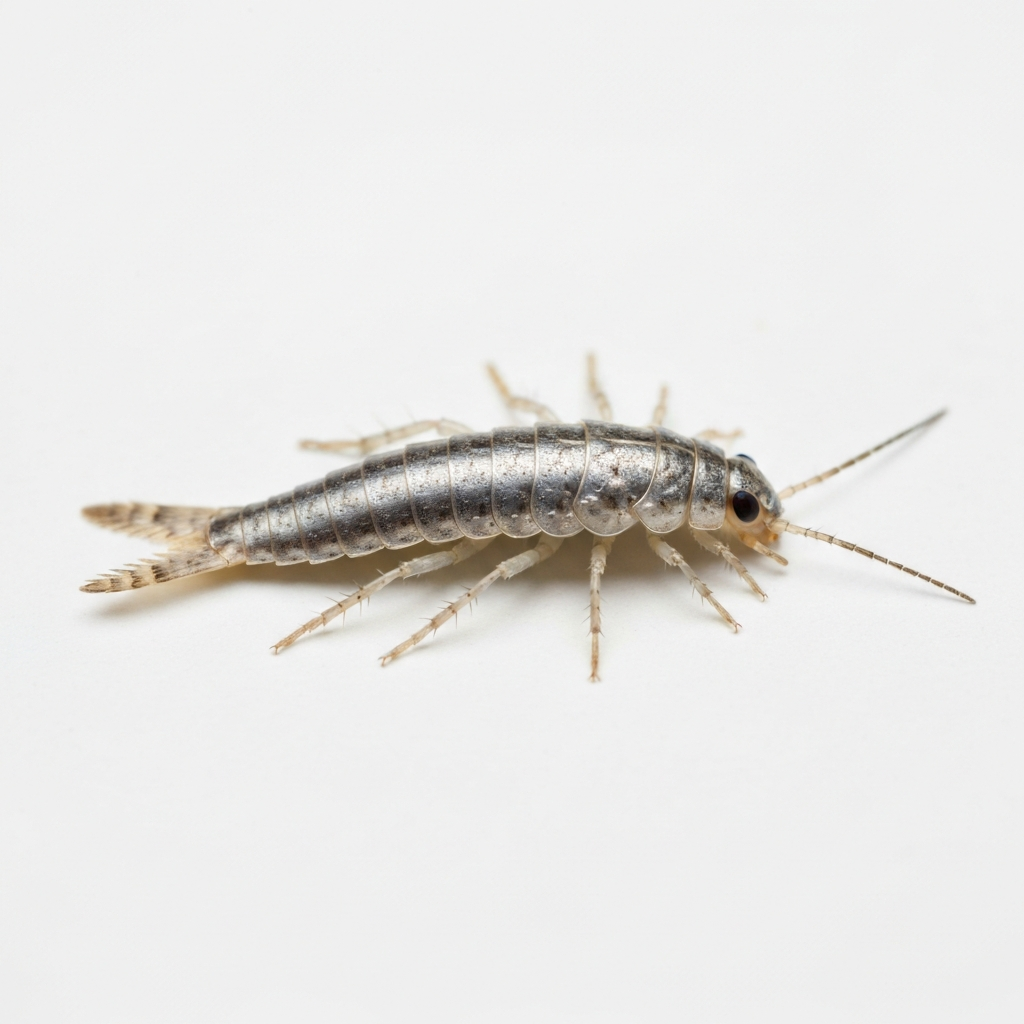
    Silverfish are small, wingless insects known for their silvery, metallic appearance and fish-like movements. They are nocturnal and fast-moving.

    Key Identifier: Teardrop-shaped body
    Stinging InsectsSpecialty

    Hymenoptera

    Stinging Insects

    This category includes bees, wasps, hornets, and yellowjackets. While beneficial to the environment, they pose a significant threat when nesting near human activity.

    Key Identifier: Flying insects with distinct yellow/black or brown/black markings
    Stink BugsSpecialty

    Pentatomidae

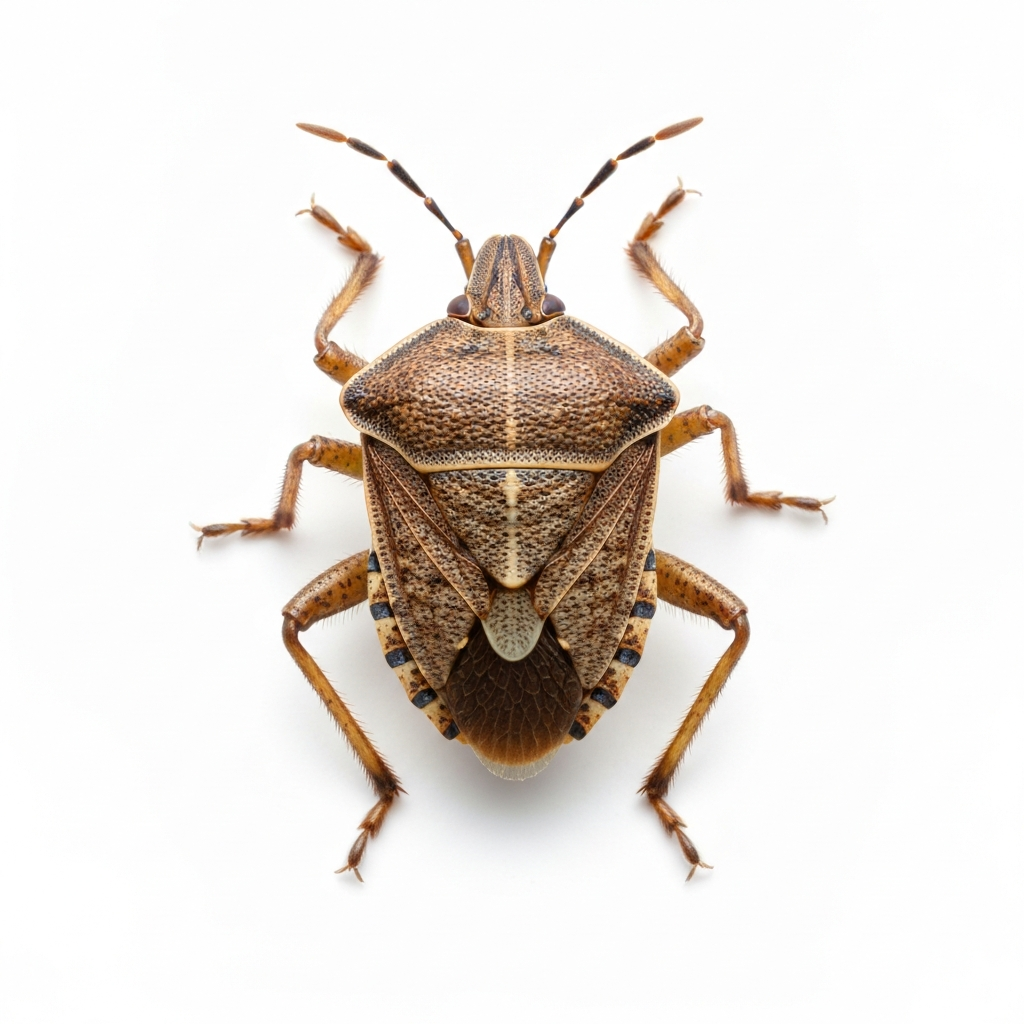
    Stink Bugs

    Stink bugs, particularly the invasive Brown Marmorated Stink Bug, are agricultural pests that become severe nuisance pests in the fall when they invade homes to overwinter.

    Key Identifier: Shield-shaped body
    Ticks High RiskSpecialty

    Ixodida

    Ticks

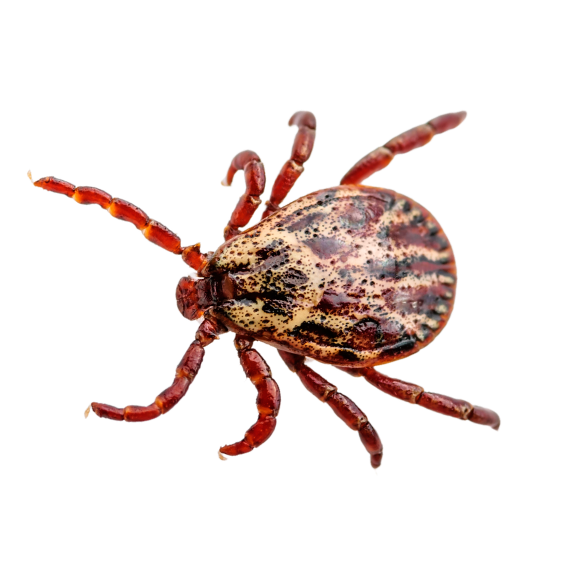
    Ticks are blood-sucking arachnids that wait on tall grass and vegetation to attach themselves to passing hosts, including humans and pets.

    Key Identifier: Eight legs (as adults)
    VolesSpecialty

    Cricetidae

    Voles

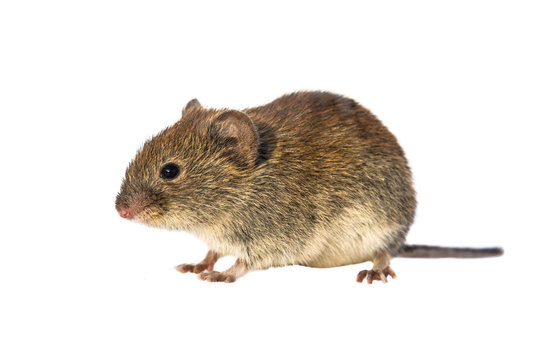
    Voles, often referred to as meadow mice, are small rodents that primarily damage yards and gardens by eating plant roots and bark. The Meadow Vole is one of the most common species encountered, known for creating distinct surface runways in grass.

    Key Identifier: Look like stocky mice with shorter tails and smaller ears
    Call NowSchedule